Are you passionate about gastronomy and thinking about turning it into your profession? Before choosing where to study Gastronomy in Spain, there is an important decision to make: learning professional cooking is not the same as studying a university degree in Gastronomy.
Today, the sector needs chefs, but also professionals capable of managing businesses, leading teams, developing products, innovating, or creating their own gastronomic projects. Here we explain the different options available and what you should consider before making your choice.
It can be worthwhile if you are looking to build a professional career in a sector that goes far beyond the kitchen. A Degree in Gastronomy allows you to combine culinary training with other areas such as business management, marketing, innovation, gastronomic culture, product knowledge, and entrepreneurship.
The key question to ask yourself is: “What kind of gastronomy professional do I want to become?” Becoming a chef is one possible answer among many.
| Culinary school or cooking course | University Degree in Gastronomy |
|---|---|
| Primarily focused on culinary training | Comprehensive approach to gastronomy |
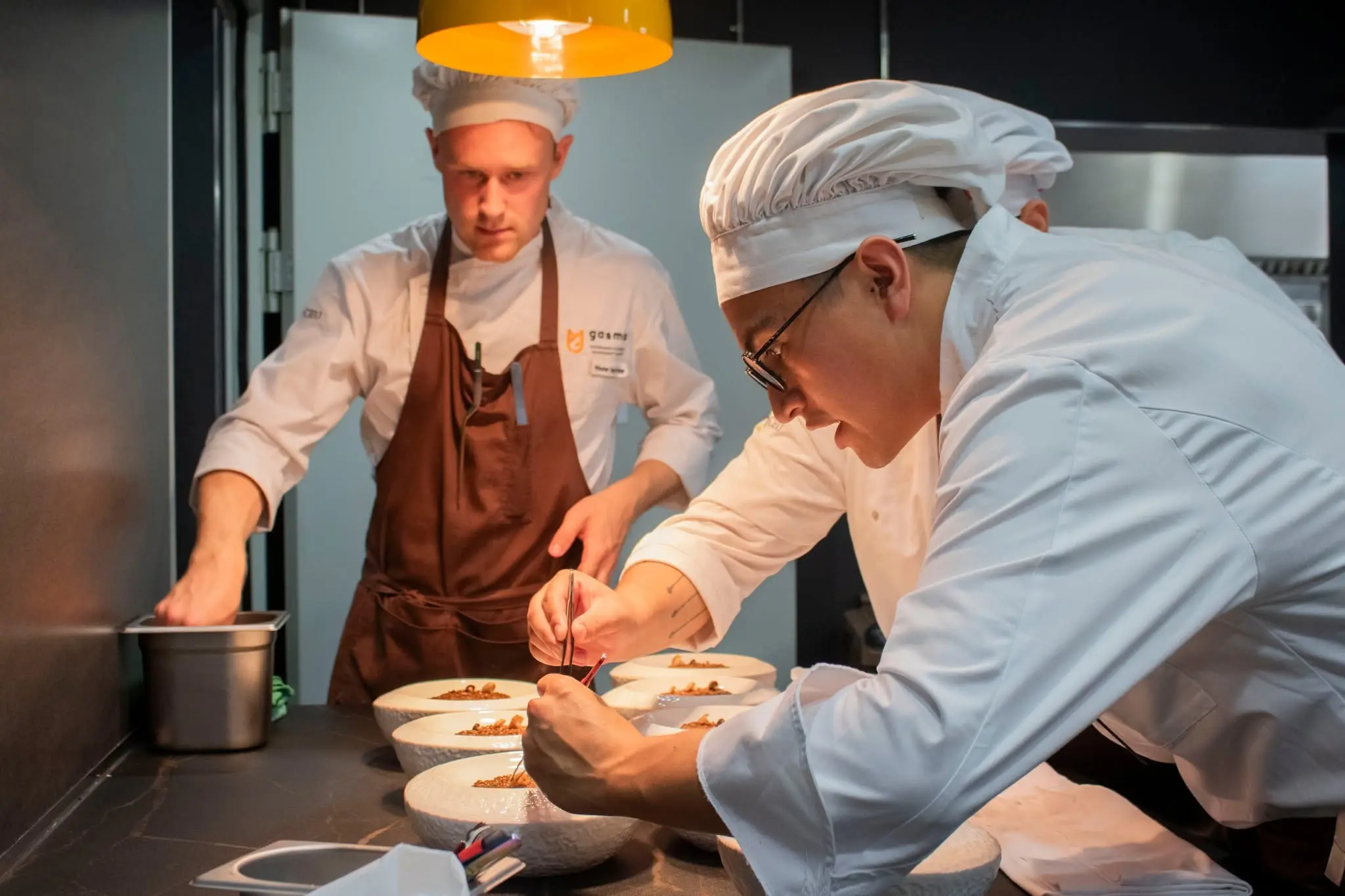
| Development of cooking techniques | Cooking + management + innovation |
| Usually more specialised training | Multidisciplinary university education |
| Focused on professional practice | Cooking, management, business, and entrepreneurship |
If your goal is to acquire or improve specific culinary techniques, specialised vocational training may be enough. If you want to combine cooking with management and build a broader career within the gastronomic sector, a university degree can provide a more comprehensive education.
Are you looking for a university education that combines gastronomy and management?
Discover GASMA’s Degree in Gastronomy.
It depends on each university and its curriculum. In the Degree in Gastronomy at GASMA – Universidad CEU Cardenal Herrera, culinary training is combined with knowledge related to product, business management, marketing, communication, gastronomic culture, innovation, and entrepreneurship. You can view the full curriculum.
The Degree is an official 4-year university qualification comprising 240 ECTS credits and is taught on campus in Castellón. You do not need to know how to cook before starting: previous culinary experience is not a requirement for admission.
Studying Gastronomy does not mean you have to end up working as a chef. Depending on your education and subsequent specialisation, there are different areas of professional development:
The gastronomic sector needs professionals who know how to cook, but also professionals who can understand products, manage teams, make decisions, and turn an idea into a viable project.
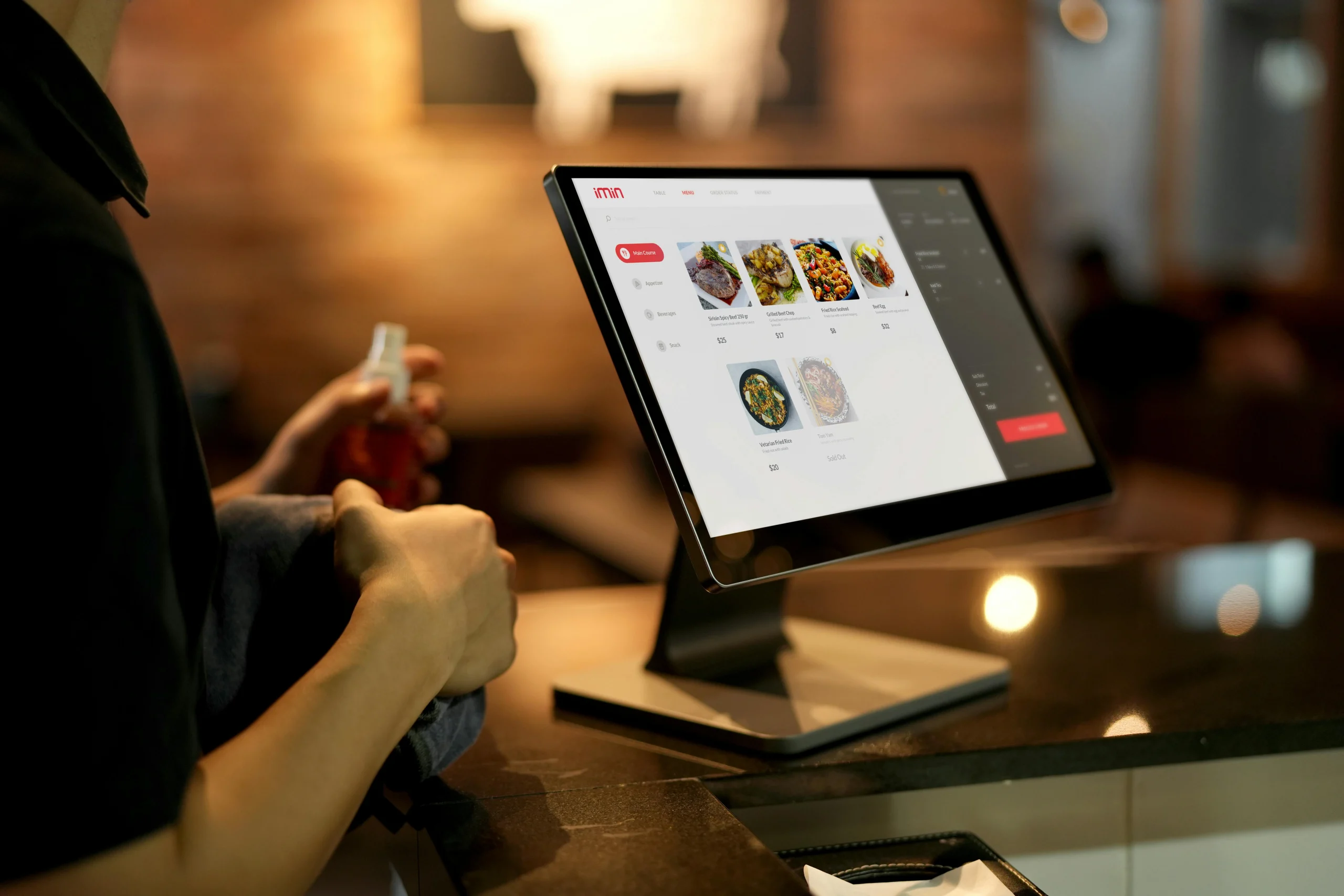
A restaurant is about cooking, but it is also a business. In addition to developing a gastronomic concept, an entrepreneur needs to understand costs, operations, purchasing, team management, marketing, customer experience, and strategy.
That is why, if your goal is to create your own business, you should look for a programme that goes beyond teaching culinary techniques and also includes management, entrepreneurship, and innovation. This combination of gastronomy and management is one of the pillars of GASMA’s educational model.
Before choosing a university or school, compare these aspects in particular:
The name of the university matters less than the kind of professional each programme helps you become.
Yes. Before choosing a programme, it is advisable to review admission requirements, language requirements, visa requirements when applicable, accommodation, and student support services.
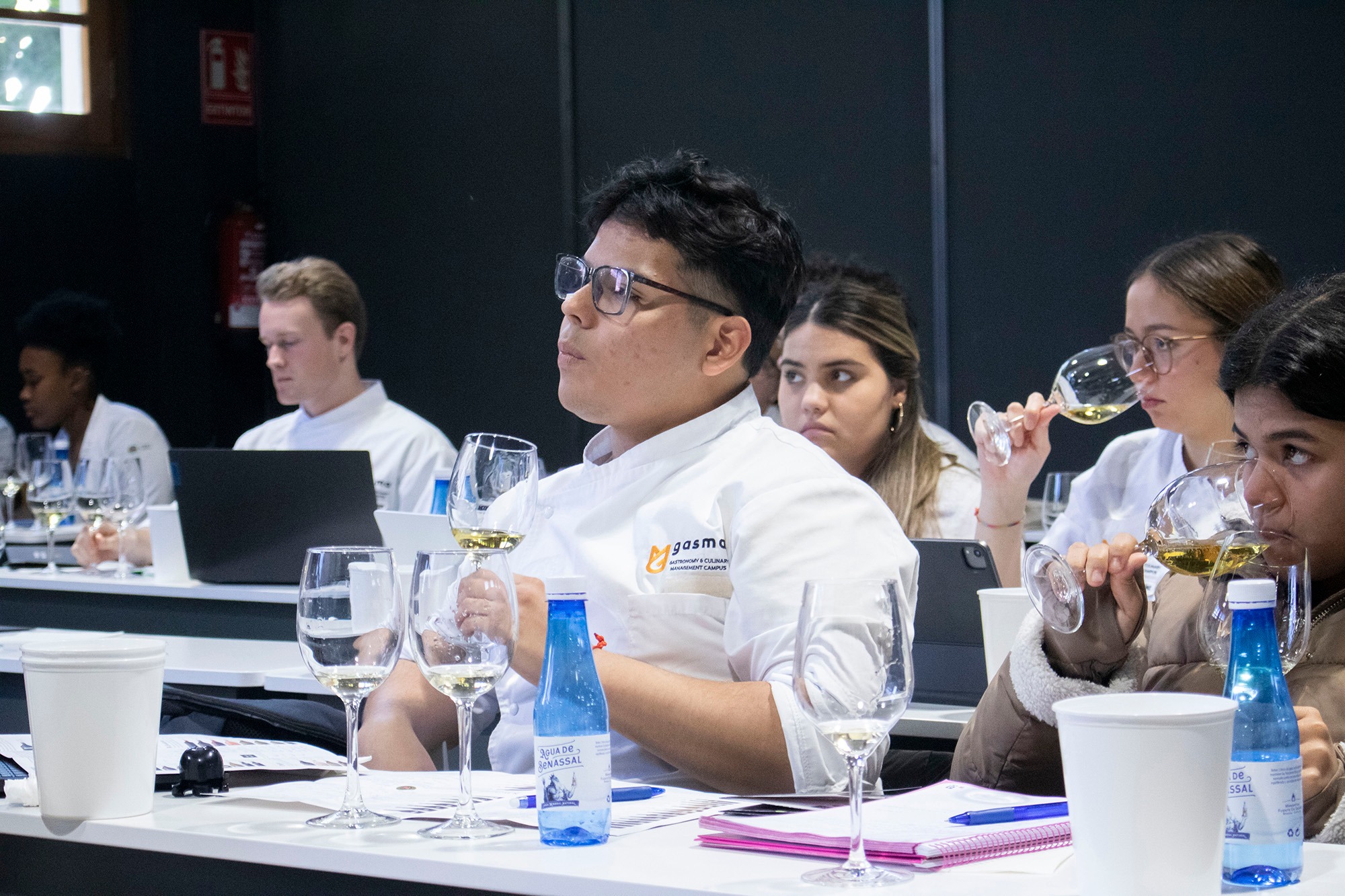
GASMA has an international community and offers specific services to help students from other countries settle in. For students who do not yet speak Spanish fluently, the Degree offers an English-language pathway during the first year, together with Spanish language training to support a gradual transition. From the second year onwards, the programme continues mainly in Spanish.
GASMA’s Degree in Gastronomy and Culinary Management takes 4 years, comprises 240 ECTS credits, and is taught on campus in Castellón, Spain.
No. At GASMA, previous cooking experience is not required to enrol in the Degree. Technical culinary training is part of the learning process.
No. The programme can open up career paths in cooking, gastronomic management, Food & Beverage, entrepreneurship, innovation, the food industry, and product development.
Yes, provided that you meet the relevant admission requirements. You should also check language requirements, academic documentation, and visa requirements depending on your country of origin.
It depends on your goals. Culinary training can be more specialised, while a Degree in Gastronomy offers a broader perspective by combining cooking, business, management, and innovation.
When choosing where to study Gastronomy in Spain, you are deciding not only where you will learn to cook, but also which knowledge, experience, and tools you will use to begin your career.
At GASMA, the Degree in Gastronomy at Universidad CEU Cardenal Herrera combines university education, culinary practice, management, innovation, and entrepreneurship in an international environment.