Beyond simply accompanying a dish, water influences how we perceive a menu, its pairings, and the overall gastronomic experience.
When we think about gastronomy, we often talk about ingredients, cuisine, technique, or pairings. However, there are other elements that also shape how we perceive a menu and experience a restaurant. Water is one of them.
Its presence influences aspects such as flavor balance, sensory perception, and the overall coherence of a gastronomic concept. This perspective is also part of the collaboration between GASMA and Agua de Benassal, through which students explore the role of water within professional gastronomy across areas such as cooking, tasting, and sommellerie.
Far from being a secondary element, water is part of the gastronomic experience from the very beginning. In fact, it is often one of the first products to reach the table, offering an initial impression of the restaurant’s proposal.
As Carlos Monsonís, chef, GASMA lecturer, and restaurant owner, explains: “The first thing we are served when we arrive at a restaurant is water.” Aspects such as quality, presentation, storage, and temperature all help shape the customer’s perception of the experience.

This sense of coherence also extends to the restaurant’s identity. In a context where local products and a connection to the territory are increasingly valued, the choice of water becomes part of the gastronomic narrative.
“It doesn’t make sense for a restaurant whose flag is local produce to use Italian water,” Monsonís points out, emphasizing that water selection should align with the establishment’s philosophy and its gastronomic environment.
Beyond service, water also directly influences the perception of flavors, aromas, and sensations during a dining experience.
David Buch, ambassador for Agua de Benassal, explains that “although it may seem secondary, water can significantly influence a pairing where the goal is to achieve harmony between flavors, memories, and sensations.”
Balance is key. “Water with very low mineral content can create a feeling of emptiness,” while overly mineralized water can “mask and hide aromas and flavors that we should be discovering in the dish.”

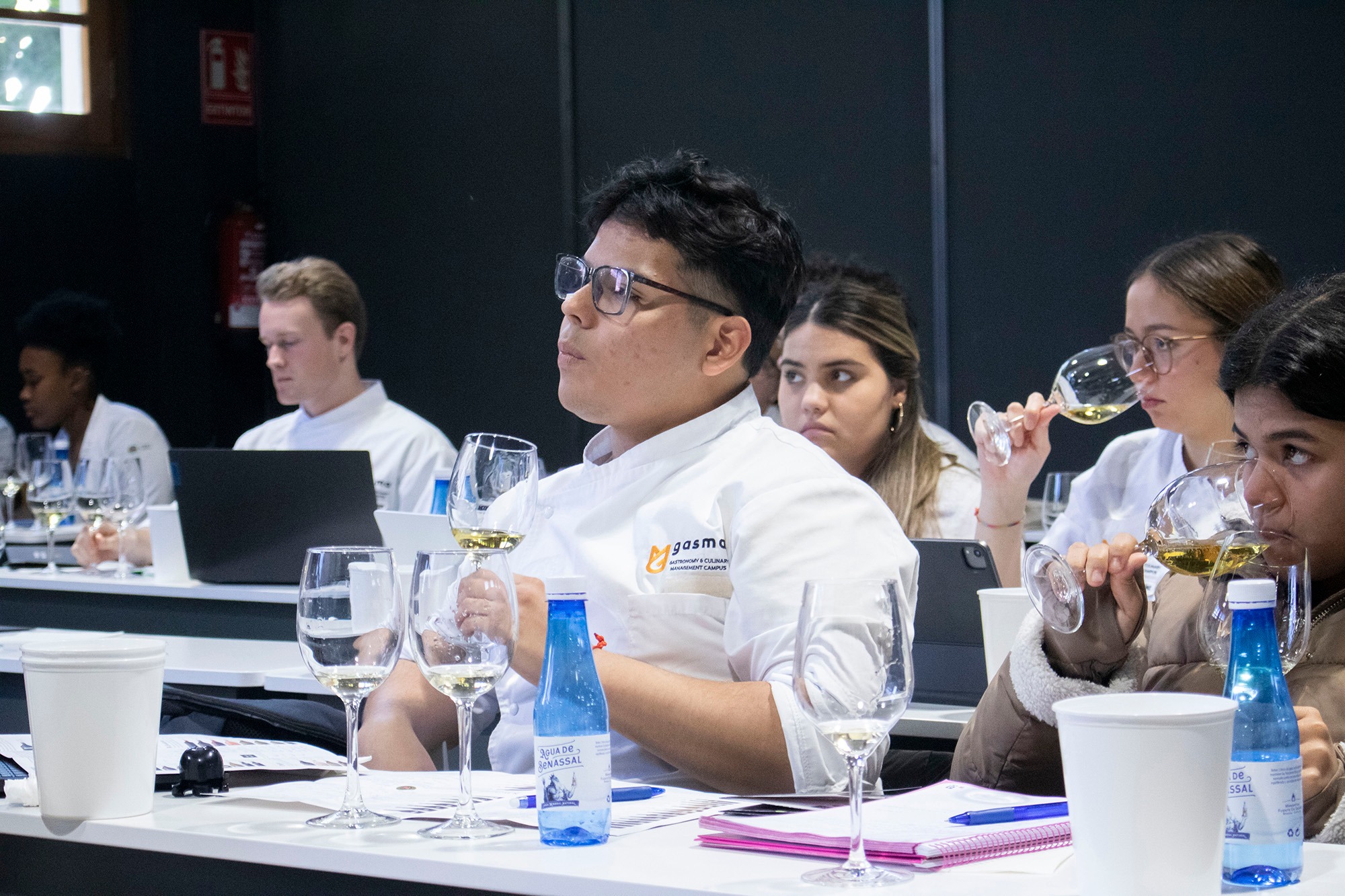
Its role is particularly important in tasting and sommellerie contexts, where sensory perception fully conditions the experience. Factors such as pH or unbalanced mineral composition can alter flavors and hinder proper palate cleansing between wines or dishes.
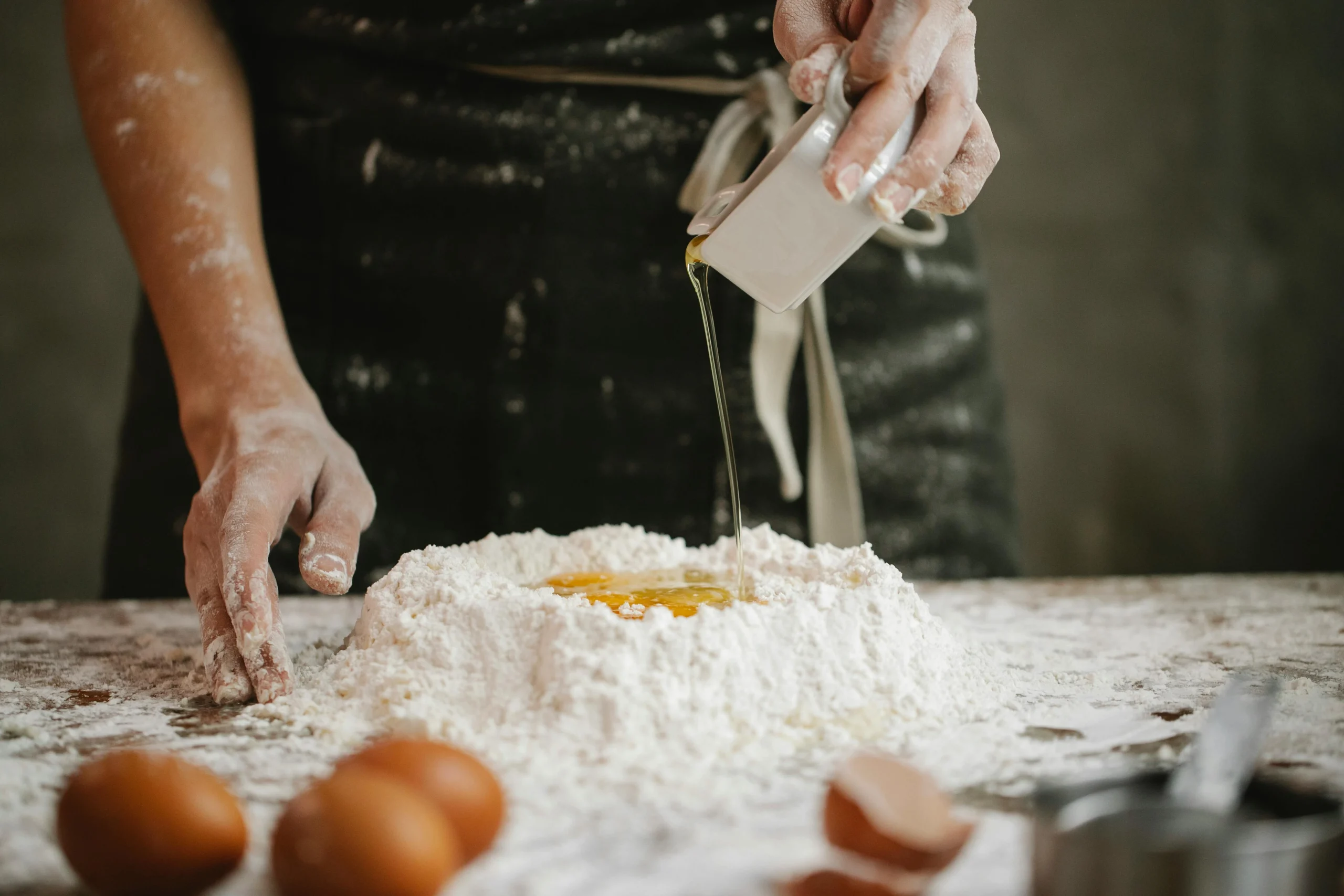
The importance of water also extends into professional kitchens. Preparations such as rice dishes, stocks, or legumes depend directly on the quality and composition of the water used.
“If we are in a restaurant where we want to get the most out of our ingredients and we buy the best seafood or the finest cut of beef, we should do the same with the water we use for cooking,” says Carlos Monsonís.
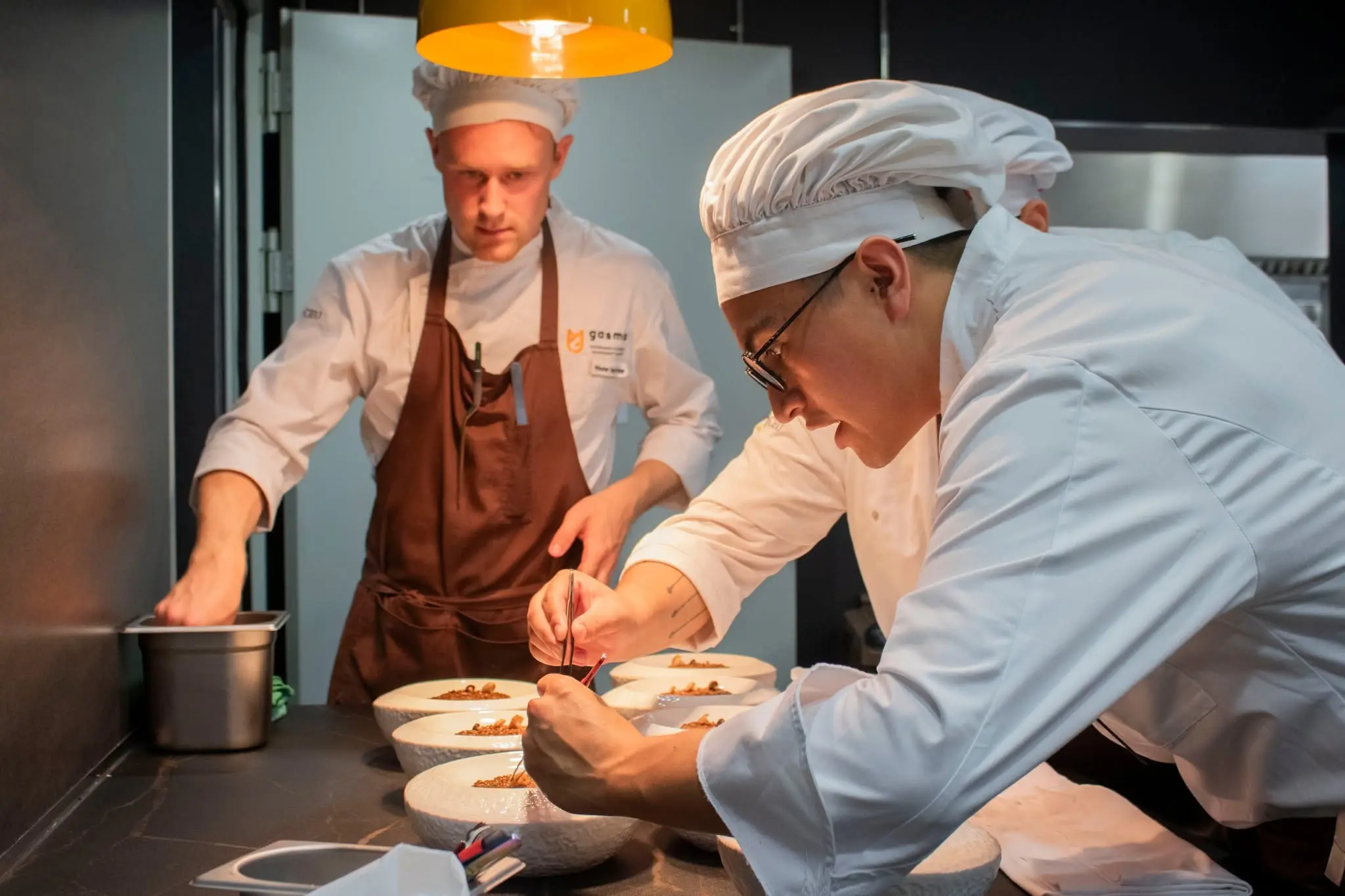
This perspective is also integrated into gastronomic education. At GASMA, students explore the role of water in contexts such as cooking, tasting, sommellerie, and gastronomic events, understanding how it influences the final experience and customer perception.
Within this framework, the collaboration between GASMA and Agua de Benassal introduces students to the properties of the mineromedicinal water from Font d’En Segures and its role in contemporary gastronomy.
Because in gastronomy, the experience is built through details. And water is one of them.