Can you imagine studying on a campus designed for you?
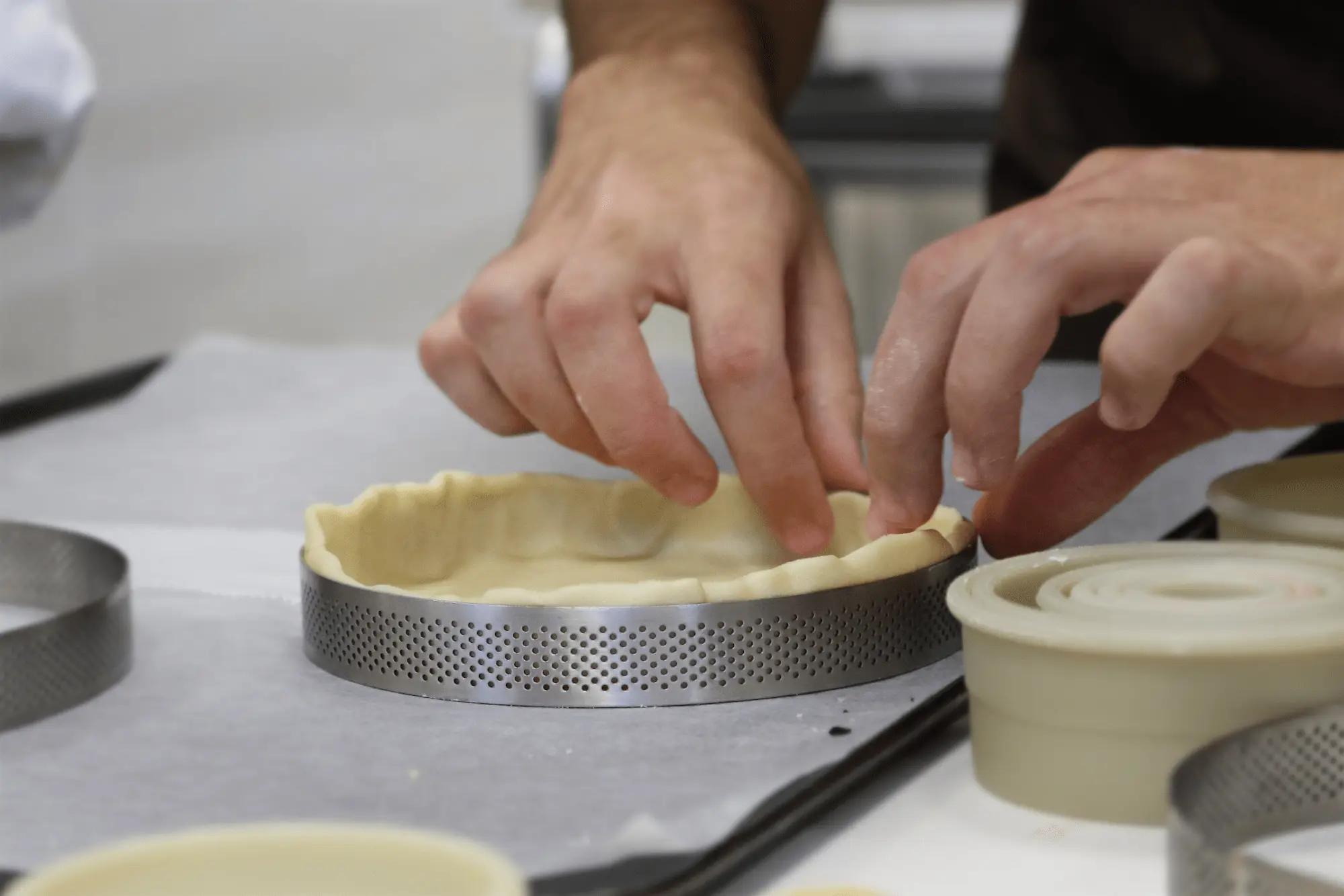
The GASMA campus is designed specifically for gastronomic education. Professional kitchens, technical classrooms, a teaching garden and work spaces with specialized equipment, tools and materials where students can experiment, practice and develop projects in conditions similar to a professional kitchen + emphasis on machinery. professional kitchen
Contemporary pastry starts with a clear understanding of the ingredient, its function and its behavior within each preparation. In this module you'll build a shared foundation for understanding the sweet sector through product, initial technique and the current context of the industry.
You'll work on the fundamentals of pastry, the use of utensils, machinery and tools, along with an introduction to raw materials and ingredients used in pastry. You'll also pick up notions of nutrition, food safety and allergen management to work with more confidence in professional environments.
Key learning outcomes:
Doughs are one of the most important technical foundations of the bakery, and they demand precision, method and process control. In this module you'll learn how formulation, fermentation, laminating and baking come together to shape the final result of each product.
You'll work with essential pastry doughs, choux pastry, sponge cake technology, puff pastries, croissants, viennoiserie, sourdough, pre-ferments and professional bread-making. The goal is to develop stable, consistent, well-executed products, understanding the relationship between ingredients, technique and finish.
Key learning outcomes:
Today's pastry demands the ability to build complex creations with technical precision and aesthetic coherence. In this module you'll work on formulation and assembly as tools for controlling texture, structure, stability and final presentation.
You'll go deeper into mousses, creamy fillings, compotes, jams, gels, inserts, glazes and entremets assembly. You'll also bring in contemporary resources such as technological ingredients, molds, siphons, nitrogen and new applications of meringue, always from a practical, hands-on perspective.
Key learning outcomes:
Chocolate and ice cream demand a very precise technical eye, where formulation, preservation and control of variables are essential. In this module you'll work on two key areas of the sweet world, learning to connect product, process and final result.
You'll cover cocoa, variety tasting, the bean-to-bar approach, chocolate-making and ganache formulation, along with concepts such as water activity and preservation. You'll also work on ice cream and sorbet formulation, machinery use, and new applications in contemporary ice cream making.
Key learning outcomes:
Sweet product development changes depending on the context: it isn't designed the same way for a restaurant as for a display case or a shelf-stable product. In this module you'll learn to adapt technique, creativity and presentation to different professional formats.
You'll work on restaurant desserts, pre-desserts and petit fours, taking into account the logic of service, plating and the guest experience. You'll also develop contemporary cakes, fine display-case pastry, individual products and travel cakes, paying attention to structure, preservation, transport and visual appeal.
Key learning outcomes:
Contemporary pastry evolves alongside consumers, their habits and their new expectations. In this module you'll broaden your view of the sweet sector, incorporating trends and approaches that let you develop offerings that are more current, flexible and adapted to the market.
You'll work on pairings applied to the sweet world, specialty coffee, lightened pastry, intolerances, vegan pastry and new trends in the sector. The goal is to learn to adapt preparations without losing technical coherence, sensory balance or professional viability.
Key learning outcomes:
The Master's Thesis is where you'll bring together everything you've learned into an applied pastry or café proposal. You'll develop a project that connects technique, creativity, product, customer experience and professional viability.
The project will include defining the concept, the sweet offering, basic production planning, food safety and the final presentation. It will conclude with a written report and defense, demonstrating your ability to structure a coherent, well-argued proposal that can be applied to the industry.
The internship lets you apply what you've learned in real environments within the sweet sector, joining bakeries, pastry shops, fine-dining restaurants or other specialized spaces. It's an opportunity to consolidate your technique, build confidence and understand the professional pace of the industry.
During this experience you'll take part in mise en place, preparation, preservation, finishing and presentation processes for pastry products. You'll also develop skills such as organization, responsibility, teamwork and adaptation to the real demands of the professional environment.
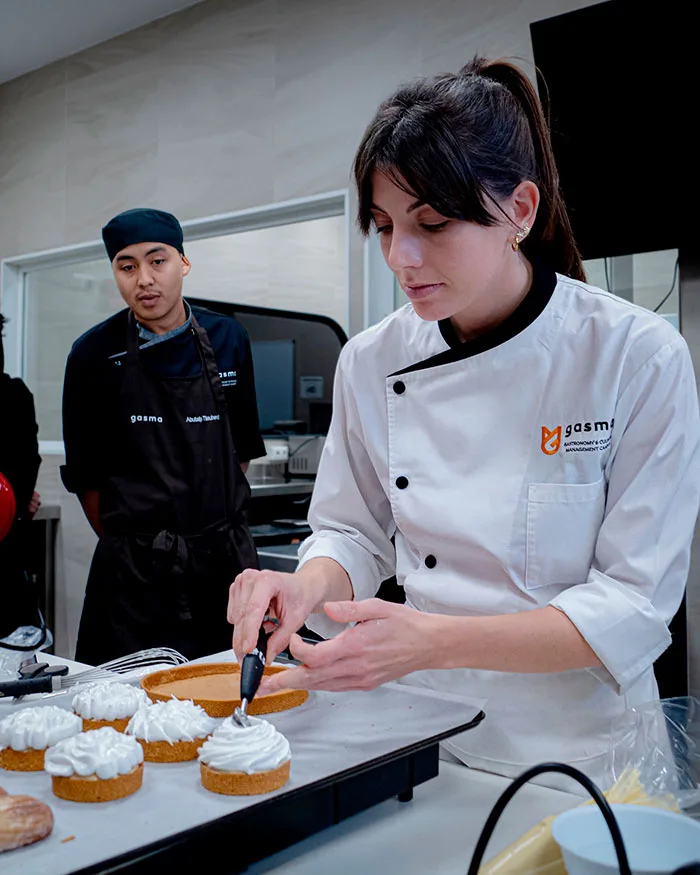
The master's applies the flipped classroom methodology, where theoretical content is covered before each session, so time on campus can be dedicated to what really matters: practicing, applying and making decisions in real environments.
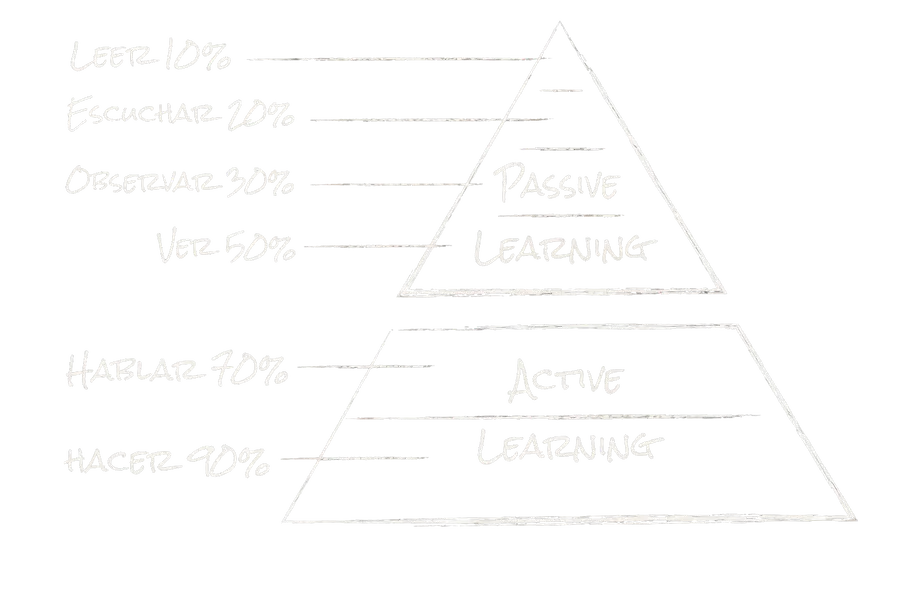
This approach is backed by learning science, which shows that retention increases with engagement. Reading or listening allows you to retain around 10%-20%, while hands-on practice in a real environment can reach up to 90%.
Extras included in the tuition:
If you're already sure you want to study with us, enrolling in our program is very easy.
You must fill in the admission form found on the 'RESERVE YOUR SPOT' button.
You'll then receive an email confirming receipt of your application, and we'll get in touch with you by email / call / WhatsApp to move on to the next stage of the process.
Within 24 hours of receiving your application, we'll invite you to a personal interview* with a member of the Gasma teaching or admissions team.
The goal of the interview is to get to know each candidate and assess their knowledge of the field and their aptitude for the program.
During this interview, we'll let you know if you need to provide any additional documents to complete your application.
*If you're unable to attend in person, the interview can also be held online via video call.
After the personal interview, the Admissions Committee will review your application. Once your candidacy has been evaluated, we'll let you know the outcome.
If you've been accepted... Congratulations! The admissions process is now complete.
To secure your spot, you'll need to pay the deposit and then send us the documentation required to complete your enrollment. Remember you'll need to send us the following:
If you have any questions, remember you can contact one of our Advisors:
“The process was very smooth and the team supported me every step of the way.”
— Gasma Student
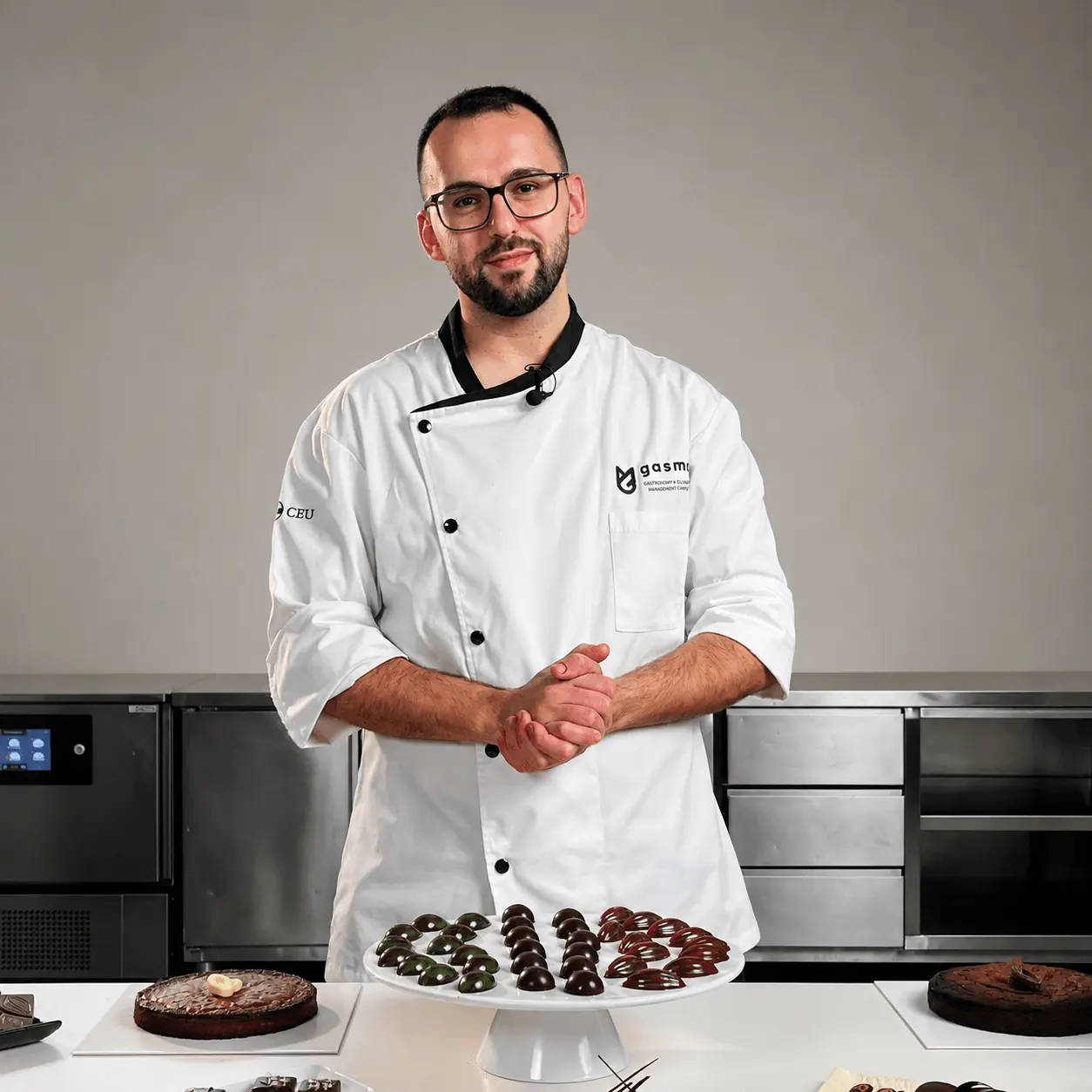
Specialized in avant-garde pastry, formulation and technical processes, he has built his career between fine dining and contemporary pastry, working in kitchens with three Michelin Stars.
With a Master's in Avant-Garde Pastry from Gasma, he has been recognized in national competitions such as Madrid Fusión and the Delité Young Pastry Chefs Competition, where he earned the title of Best Young Pastry Chef in Spain. He now brings his experience to the classrooms at Gasma.
Perfect your technique in a leading bakery? Create desserts in a 3-Michelin-star restaurant? Master the sweet side of the kitchen in top-level professional environments?
More than 300 partner agreements await you. Two months in the world's best restaurants, bakeries and pastry shops, working with elite chefs and teams. You won't just learn techniques: you'll become part of real teams, absorbing the knowledge of those at the top.
An experience that will shape your career.











Find answers to the most common questions about the program.
This master's focuses on technical and creative specialization in contemporary pastry, with a practical approach to product, processes, bakery, chocolate, ice cream, restaurant desserts, display-case pastry and innovation.
Unlike the Master's in Fine Pastry and Entrepreneurship, it does not include a dedicated block on management, business administration and entrepreneurship. That makes it the ideal choice for those who want to go deeper into the technique, creativity and mastery of the processes of professional pastry.
This master's covers both areas. On one hand, it goes deep into bakery content, such as viennoiserie, bread-making, chocolate, ice cream, entremets and display-case pastry. On the other, it covers restaurant pastry, including desserts, pre-desserts and petit fours.
This way, students gain a complete view of professional pastry, both in production and in gastronomic service.
Yes. The master's includes 10 ECTS (2 months) of external internships at bakeries, pastry shops, fine-dining restaurants and other specialized spaces in the sweet sector. During this period you'll apply the knowledge you've gained in a real professional environment, taking part in production, plating, preservation and service processes, while developing the technical and organizational skills the industry demands.
The Master's in Contemporary Pastry and Innovation prepares you to build your career across different areas of the sweet sector. Thanks to its practical, specialized approach, you can access positions such as:
In addition, external internships and contact with working professionals make it easier to enter the job market and give you first-hand insight into how some of the most demanding environments in professional pastry operate.
The master's is 100% on-campus, since it's built around hands-on work, direct interaction with instructors, and preparation in a real bakery.
While the online format can be useful for basic or theoretical training, GASMA's model is designed for those who want an intensive on-campus specialization focused on technique, innovation and practical experience.
The master's has a total duration of 6 months, split into two phases:
This accelerated but thorough format lets students quickly join the job market with solid training adapted to the demands of contemporary pastry.
Our international student body keeps growing. We have students from more than 85 nationalities. European students don't need a visa to come study in Spain. Non-European students, however, must obtain the corresponding visa that includes authorization to stay in the country.
Students from certain countries are exempt from needing a visa as long as their stay in Spain doesn't exceed three months.
The visa must be requested and issued at Spanish Consular Offices abroad. Once in Spain, Gasma offers non-EU students the optional International Fee service: with it, they can apply for the foreign student card through the Immigration Office or the corresponding police station within one month of their arrival.
Gasma offers several culinary master's programs, each with a different focus depending on the student's profile and goals:
If you're still not sure which one best fits your profile, our admissions team can guide you based on your experience and professional goals.
