Students who love the business world, gastronomic science, and the culinary arts. Detail-oriented people with a strong work ethic and the perseverance to master their skills.
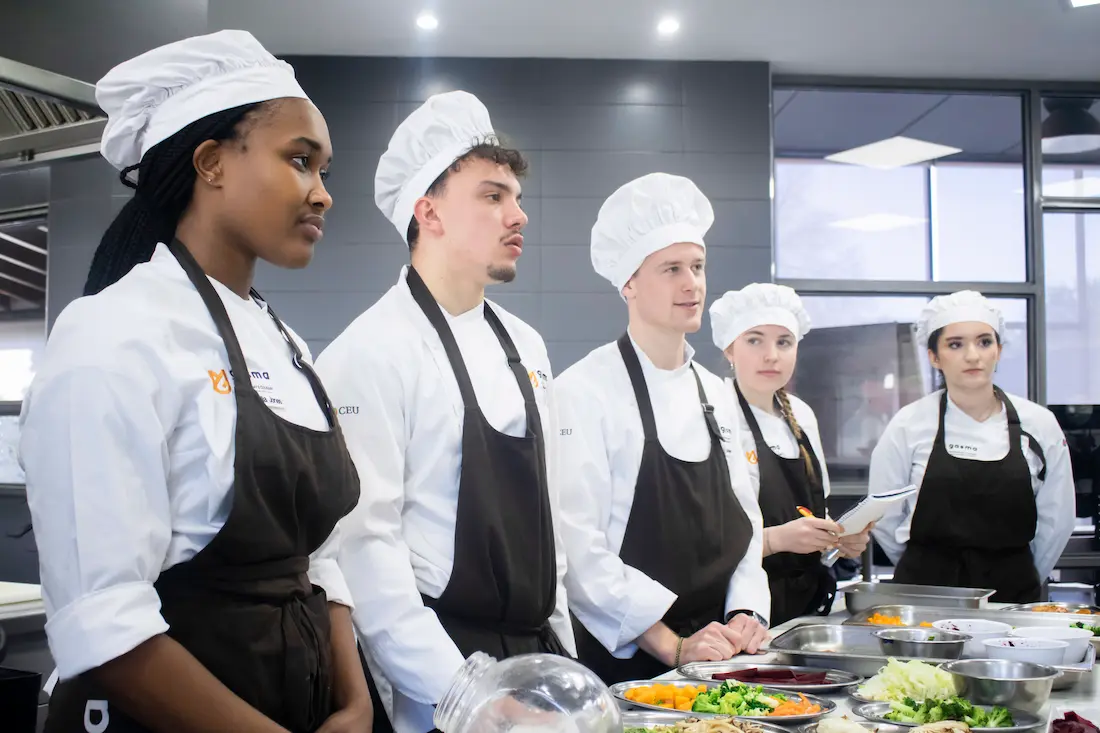
Grounded in practice and hands-on experience, giving you a broad, real-world view of everything in the gastronomy industry. In today's industry, cooking well isn't enough anymore: you also need to pair culinary talent with a profitable, successful business model.
A professional with a promising career in gastronomy, committed to excellence and able to work well in a team. In short: an expert in culinary creation.
Career Paths
Three career profiles. One thing in common: technical mastery of the kitchen and the ability to run the business behind it.
Hybrid profile: technique + management
The degree trains professionals capable of leading both the kitchen and the business behind it, a combination the market demands and few programs offer.
Want to turn your passion for cooking into a career with a future?
At Gasma, the gastronomy campus of CEU Cardenal Herrera University, we offer a Bachelor's Degree in Gastronomy unlike any other in Spain: it combines haute cuisine with training in business management, creativity, and international specialization.
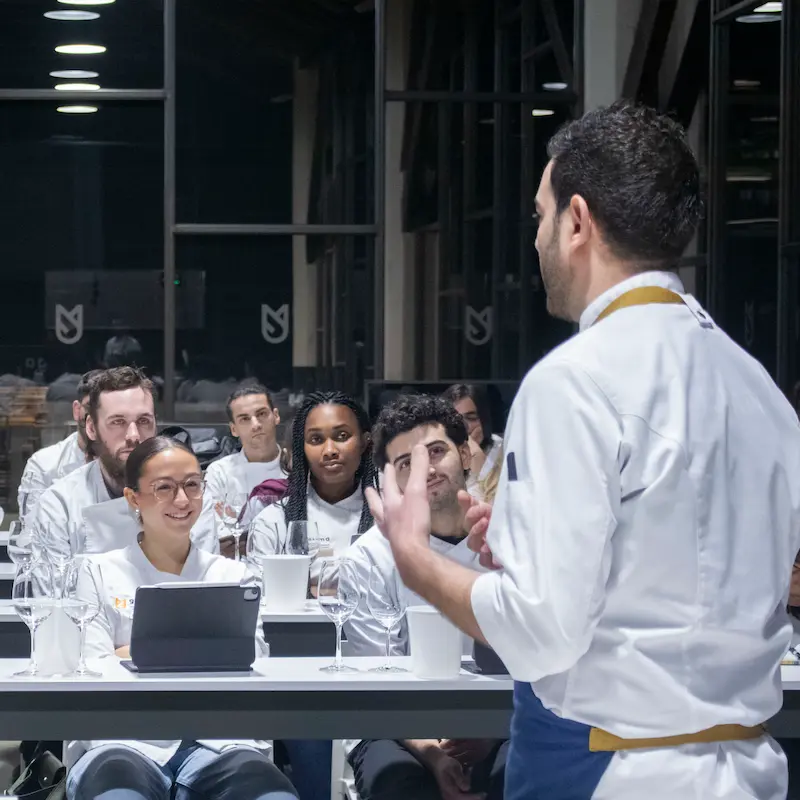
You'll learn advanced culinary techniques, strategic management of gastronomic businesses, professional English, and experience design. Because today, a chef is also an entrepreneur, a creative, and a communicator.
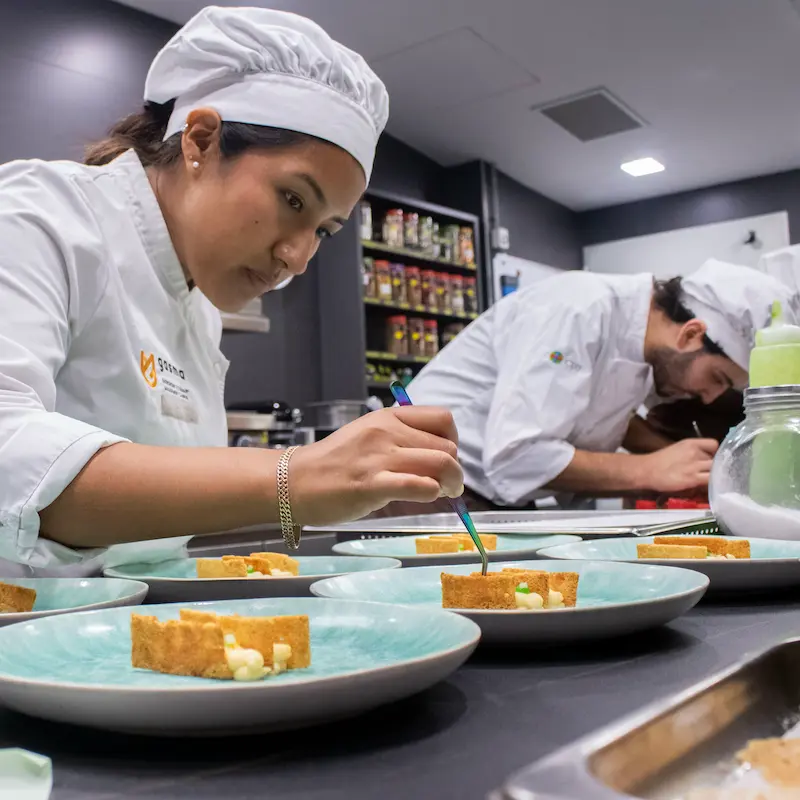
You can choose between two tracks:
Executive Chef: innovation, research, and creativity in the kitchen.
Gastronomic Business: Food & Beverage management for large companies.
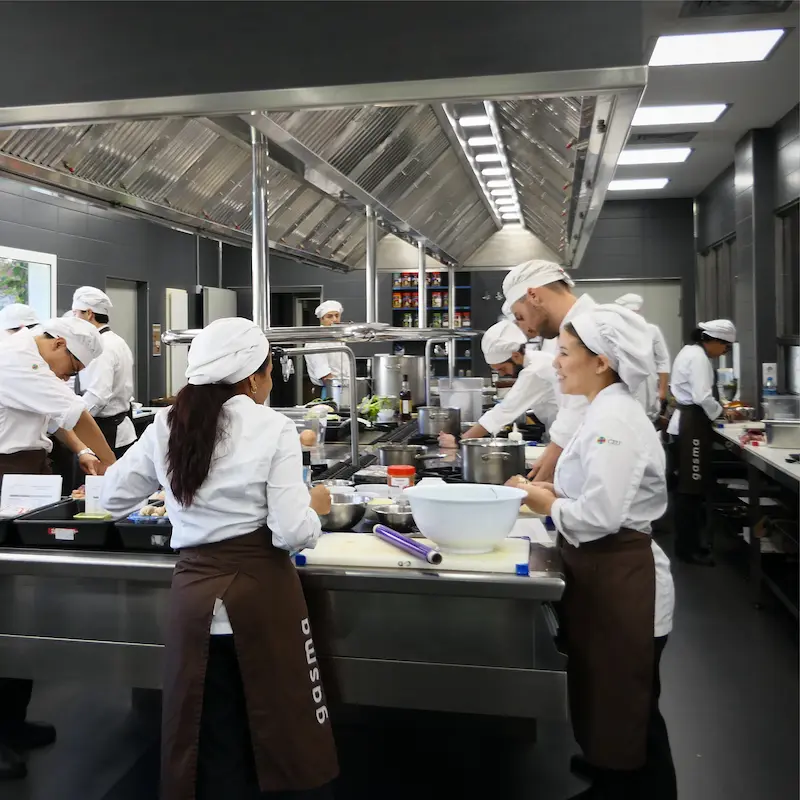
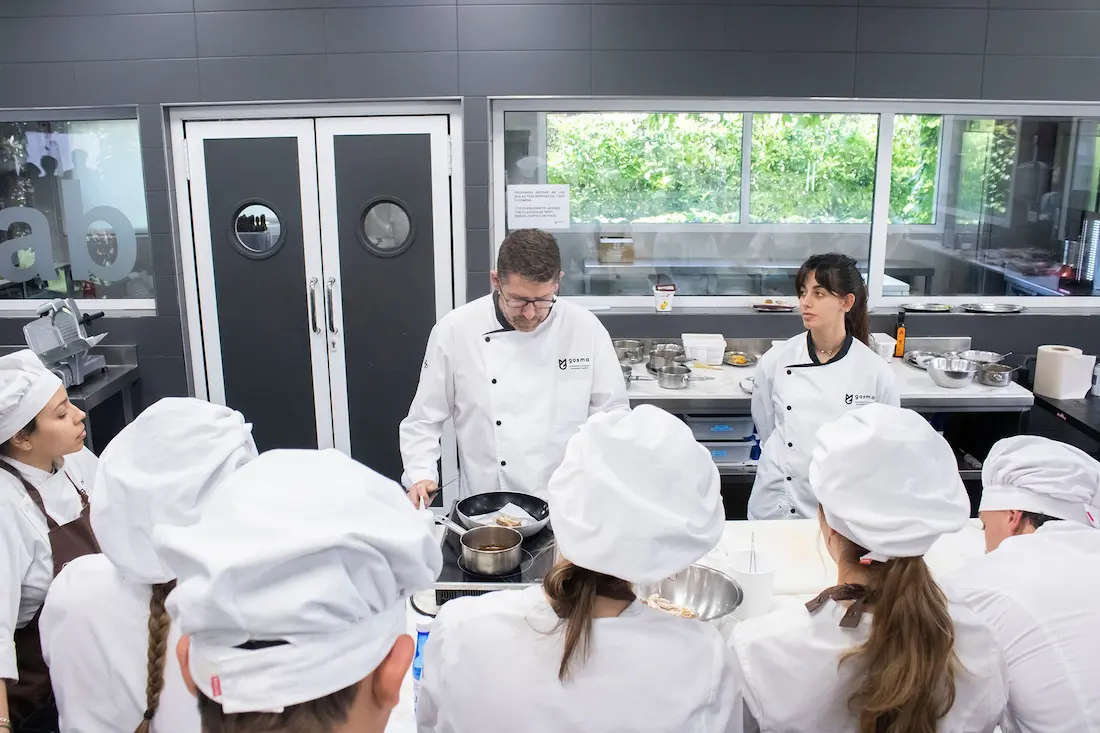
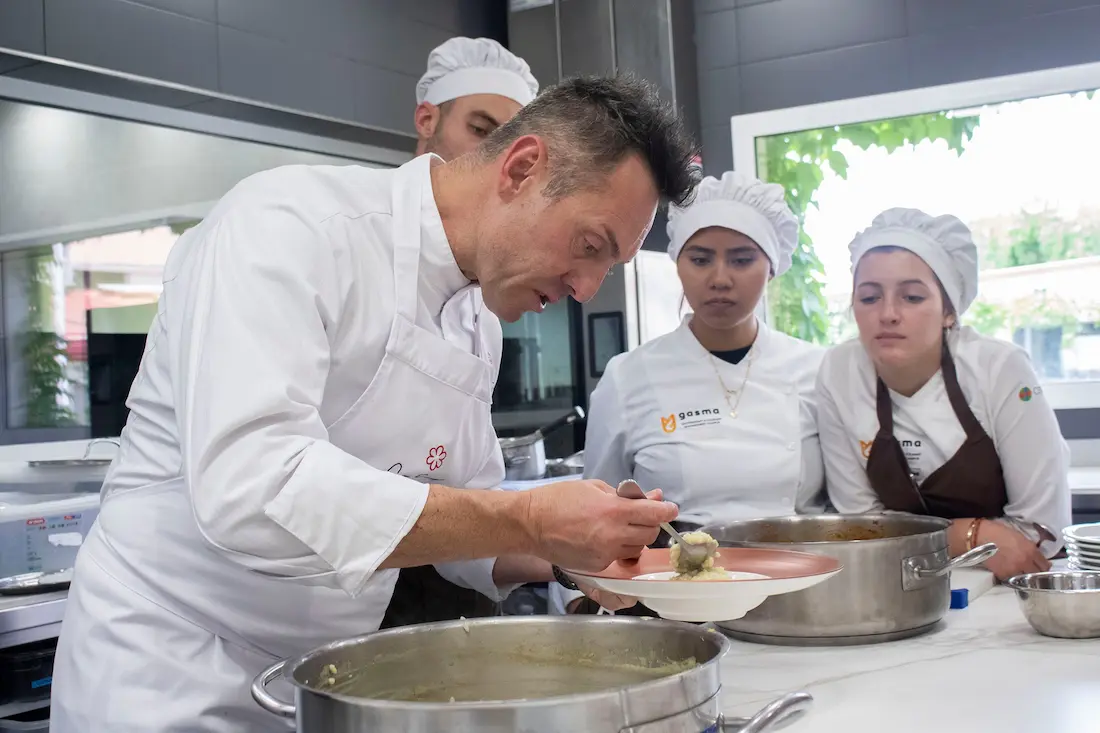
Where gastronomy comes to life: from day one, you'll be working alongside renowned chefs, many of them Michelin-starred, who teach classes, workshops, and seminars. Because you learn to cook by cooking… and by listening to those who've already made it.

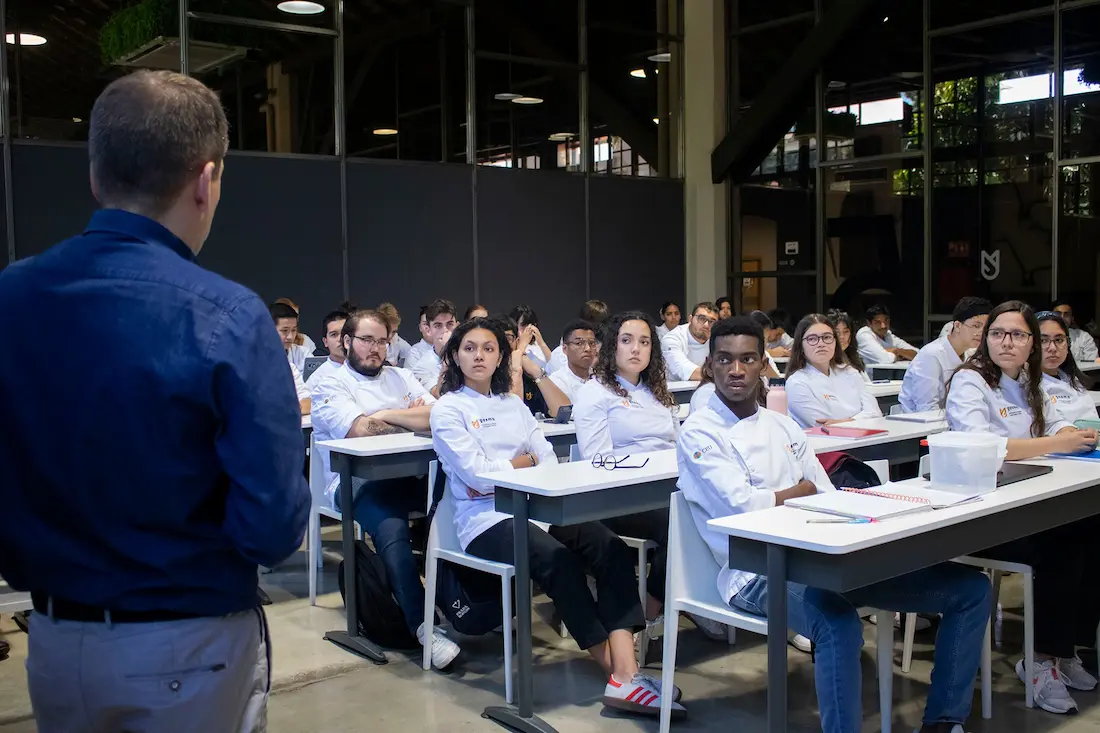
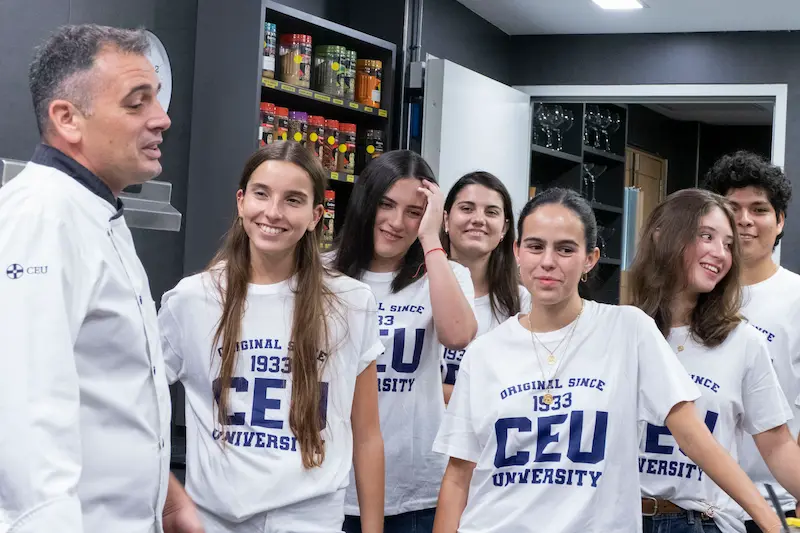
More than 85% of our students come from outside Spain. You'll share a classroom with young people from over 85 nationalities, all with the same passion: to be the best in gastronomy. You can also do internships at restaurants around the world starting in your first year.
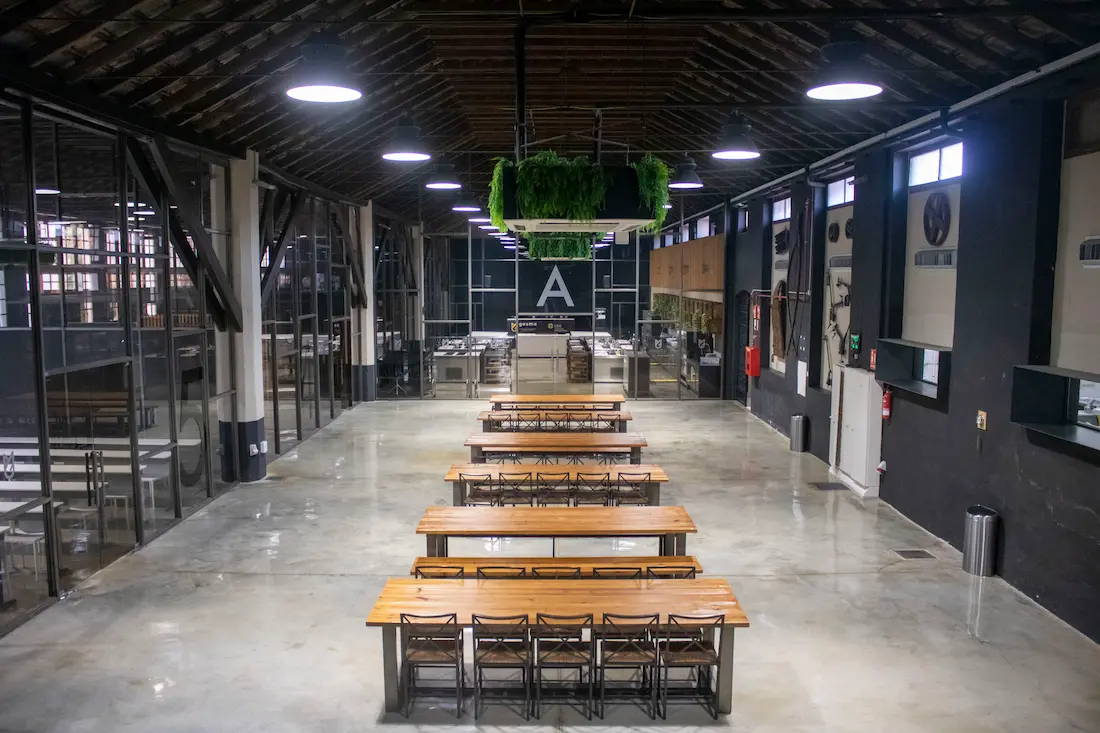
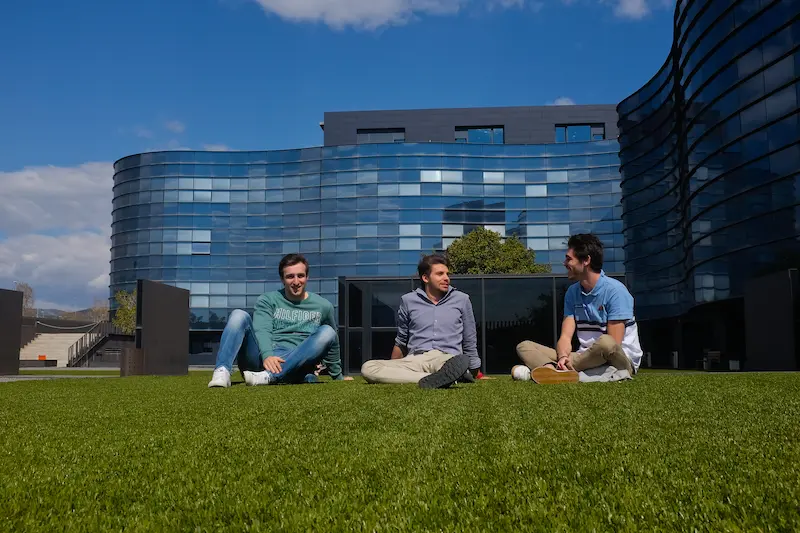
The Bachelor's Degree in Gastronomy is taught in Castellón, on a unique, innovative campus where all hands-on classes take place: Gasma is located at the southern entrance of Castellón, just 1 km from the main building of CEU Cardenal Herrera University.
Find everything you need to start your university journey at GASMA: the admission process, entry requirements, student services, and everything you should know before arriving on campus.
The program combines culinary practice with chemistry and nutrition; adds business management applied to food service and prepared food; includes languages, with culinary English and the option to study in English; and encourages creativity to design gastronomic experiences that blend art and emotion.
| Subject | ECTS | Type | Sem. | Language |
| The Basics of Gastronomy | 8 | FB | 1 | English |
| History and Sociology of Food | 6 | FB | 1 | English |
| Kitchen Equipment and Machinery* | 6 | FB | 1 | English |
| Consumer Analysis | 6 | FB | 1 | English |
| Fundamentals of Business Communication | 6 | FB | 2 | English |
| Culinary Production Processes | 8 | FB | 2 | English |
| Introduction to Marketing | 6 | FB | 2 | English |
| Raw Materials and Products in the Kitchen | 8 | FB | 2 | English |
| Spanish Language | 1 | Spanish | ||
| Spanish Language | 2 | Spanish | ||
| TOTAL ECTS | 54 |
*Kitchen Equipment and Machinery (1st year subject) is taken later on, in Spanish (on the 2nd year).
| Subject | ECTS | Type | Sem. | Language |
| Languages – Advanced English | 5 | OB | 1 | English |
| Gastronomic Administration and Management | 6 | OB | 1 | Spanish |
| Food Chemistry and Biochemistry | 6 | OB | 1 | English |
| Management Systems in Culinary Performance | 6 | OB | 1 | Spanish |
| Patisserie and Bread Making Techniques and Production | 6 | OB | 1 | Spanish |
| Economy and Market Society | 6 | OB | 1 | Spanish |
| Innovation and Gastronomic Creation | 5 | OB | 2 | Spanish |
| Mediterranean Gastronomy | 6 | OB | 2 | Spanish |
| Applied Microbiology | 3 | OB | 2 | Spanish |
| The Basics of Applied Law | 3 | OB | 2 | Spanish |
| Wines and Wine Making | 6 | OB | 2 | Spanish |
| Accounting and Financial Analysis | 6 | FB | 2 | Spanish |
| TOTAL ECTS | 66 |
| Subject | ECTS | Type | Sem. | Language |
| Tourism and Hotel Management | 6 | OB | 1 | Spanish |
| Fundamentals of Nutrition and Dietetics | 6 | OB | 1 | Spanish |
| Vanguard Culinary Techniques | 8 | OB | 1 | Spanish |
| Cost Control Applied to Gastronomy | 6 | OB | 1 | Spanish |
| Event Design and Protocol | 4 | OB | 2 | Spanish |
| Wines and Wine Cellar Management | 6 | OB | 2 | Spanish |
| Business Models and ICTs in Gastronomy | 6 | OB | 2 | Spanish |
| Internships | 18 | PR | 2 | Spanish |
| TOTAL ECTS | 60 |
| Subject | ECTS | Type | Sem. | Language |
| Track I / Track II | 46 | OB | – | Spanish |
| R&D in Gastronomy and the Food Industry | 4 | OB | 1 | Spanish |
| Entrepreneurship Applied to Gastronomy. Start-up | 4 | OB | 1 | Spanish |
| Final Degree Project (TFG) | 6 | TFG | 2 | Spanish |
| TOTAL ECTS | 60 |
| Subject | ECTS | Type | Sem. | Language |
| Great Chefs and Haute Cuisine Dishes | 5 | OPT | 1 | Spanish |
| Food Preparation Using High-Quality Products | 5 | OPT | 1 | Spanish |
| Efficiency and Process Management | 3 | OPT | 1 | Spanish |
| Internships I | 18 | PR | 2 | Spanish |
| Internships II | 6 | PR | 2 | Spanish |
| Internships III | 9 | PR | 2 | Spanish |
| TOTAL ECTS | 46 |
| Subject | ECTS | Type | Sem. | Language |
|---|---|---|---|---|
| Strategic Brand Management | 5 | OPT | 1 | Spanish |
| Food and Beverage Supply Management | 4 | OPT | 1 | Spanish |
| Purchase and Product Identification | 4 | OPT | 1 | Spanish |
| Internships I | 18 | PR | 2 | Spanish |
| Internships II | 6 | PR | 2 | Spanish |
| Internships III | 9 | PR | 2 | Spanish |
| TOTAL ECTS | 46 |
The Final Degree Project (TFG) involves each student producing an original report or study that integrates and develops the training content they've received, along with the skills and competencies gained throughout the degree.
Its goal is to prepare the student to search for, manage, organize, and interpret relevant data, enabling them to form critical, reflective judgments on social, scientific, technological, or ethical issues, while fostering critical, logical, and creative thinking.
TFG Regulations:
Your career in gastronomy starts...now!
If you want to learn to cook, cook. If you want to learn to manage restaurants and develop new food products for the industry, you have to start now. Learning by doing. It's the best way. Our Career Services team helps you choose the path that suits you best, so if you want to be a gastronomy professional, you're doing gastronomy from minute one, at the best companies in Spain and abroad.











Here are some of the recognitions the university has received in leading international rankings.

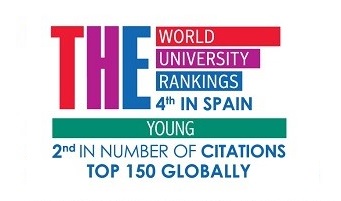
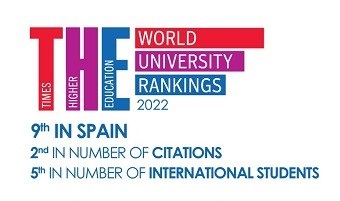



Quality and transparency are core pillars of this degree. Find the official documentation and information about the program here.
The evaluation reports on student, administrative staff (PAS), and teaching staff (PDI) satisfaction with different aspects of the degree gather information to identify the program's strengths and weaknesses. These results, together with other evidence, provide relevant data for defining improvement plans.
Official degrees, once their third year of implementation or accreditation renewal has been completed, are evaluated by the Valencian Agency for Evaluation and Prospective (AVAP) to verify compliance with the syllabus project verified by the Council of Universities.
The Bachelor's Degree in Gastronomy continuously defines, reviews, and keeps its quality objectives up to date. To do this, it produces an annual Internal Monitoring Report. Based on the results of the indicators and evidence from the Internal Quality Assurance System, which records the analysis of how the program is running, it proposes improvement actions and tracks their progress.
Through its relevant governing bodies, the University sets the internal regulations that govern the organization and operation of its degree programs. These regulations are approved by the University's Governing Council, which oversees their compliance and updates.
The February 2027 intake allows students to join the 2026/27 academic year after it has already started. The September 2027 intake corresponds to the beginning of the 2027/28 academic year. Both follow the same curriculum; the only difference is the timing of enrolment.
The only requirement is to have completed the studies required for university access, according to the regulations of your home country.
The annual tuition can be split into 9 convenient monthly installments once the pre-enrollment and enrollment fees have been paid. For more information, see the Tuition Fees section.
Yes. Gasma and UCH-CEU have a financial aid program in place to support students throughout their studies. Depending on your profile and situation, you can explore the types of aid available for different circumstances. For more information, see the Scholarships and Financial Aid section.
Admission is done online. Select the program you'd like to apply for and complete the application form with the required information and documents.
Once we've received your completed form along with your attached documents, we'll contact you to arrange an online interview.
We'll review your application through this admission interview and get back to you as soon as possible. You'll receive an email letting you know whether you've been admitted within 48 hours of the interview.
If admitted, we'll set up a meeting over Skype to walk you through all the next steps. We'll talk about housing, information about the city, paperwork, and everything else related to starting this new chapter of your university life.
The Bachelor's Degree in Gastronomy can be taken in Spanish or in English. If you choose Spanish, your classes will be taught in that language. You'll also take two courses where you can learn and improve your English.
For international students who do not have a strong command of Spanish, an English Track is available during the first year. This track is delivered entirely in English and includes up to 200 hours of Spanish language training to support progressive integration. From the second year onwards, all classes are taught in Spanish.
Yes. We offer a range of housing options so you can find the one that best fits your needs.
You can also look for housing in the city on your own. If that's the option you'd prefer, we can point you to useful websites to help you find a place to live.
In the Bachelor's Degree in Gastronomy you'll learn far more than cooking techniques. This program combines culinary science, gastronomic management, and restaurant leadership, so you master both the creative and business sides of the industry.
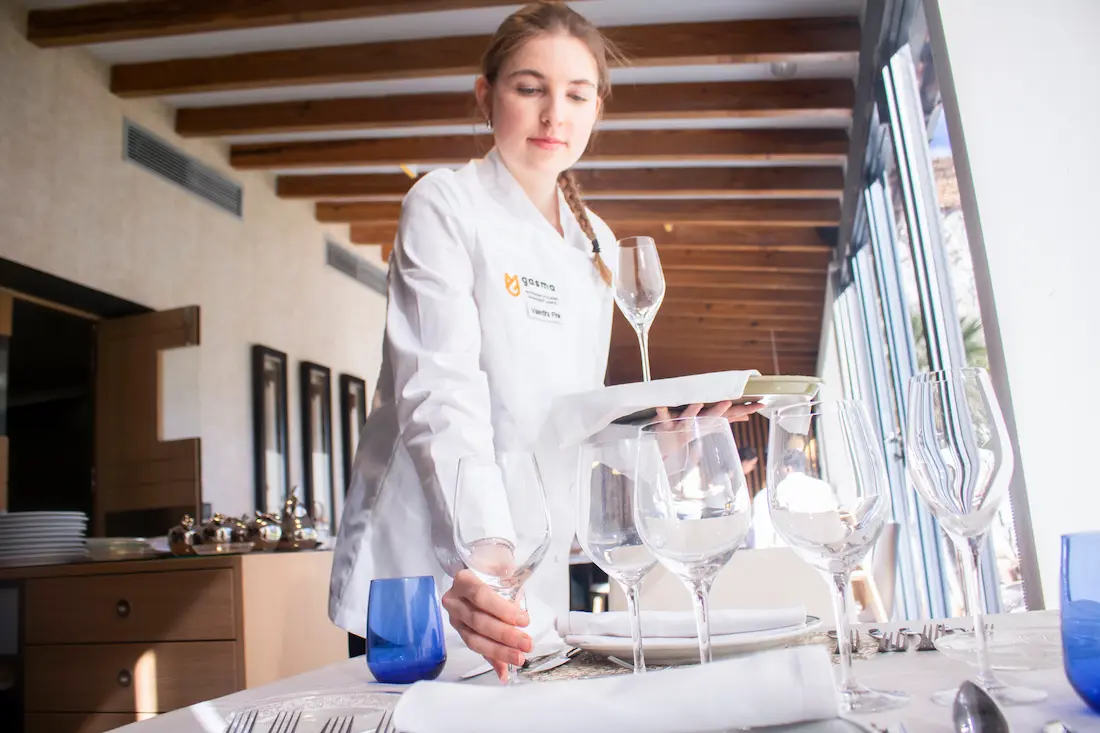
Throughout the degree, you'll work in professional kitchens, learn about nutrition, gastronomic innovation, sustainability, and culinary management, and take part in internships at prestigious restaurants.
By the end of your studies, you'll have a global view of the gastronomy industry, able to lead teams, develop new products, and launch your own culinary venture.
Studying a degree in Gastronomy opens the door to one of the most dynamic sectors with the strongest international growth. Restaurant companies, hotels, and gastronomic groups are looking for university-trained professionals who can combine creativity with management.
The Bachelor's Degree in Gastronomy prepares you for roles in kitchen management, culinary innovation, gastronomic consulting, or venue management. On top of that, graduates with a background in culinary and gastronomic science are especially valued for their focus on excellence, innovation, and sustainability.
The Bachelor's Degree in Gastronomy offers career paths in nearly every area of the food and hospitality industry:
Executive chef or head chef at fine-dining restaurants or hotel chains.
Gastronomic manager at restaurant groups or catering companies.
Culinary consultant or advisor specializing in gastronomic innovation.
Food & beverage director at hotels or resorts.
Lecturer or researcher in culinary and gastronomic science.
Many graduates also choose gastronomic entrepreneurship, opening their own restaurant, gourmet product brand, or food sustainability project.
During the Bachelor's Degree in Gastronomy, you can steer your training toward different areas of specialization based on your interests:
Food research and innovation, focused on developing new products and gastronomic trends.
These specializations let you tailor your academic path and adapt it to your future career within the gastronomy industry.
Culinary and Gastronomic Sciences combine the art of cooking with research, management, and food innovation. Graduates of these programs can work in:
This scientific, multidisciplinary approach makes the degree one of the most complete programs in the industry, ideal for anyone looking for a solid career with international prospects in the culinary field.
In addition to the Bachelor's Degree in Gastronomy, Gasma offers a wide range of culinary training programs designed for different levels and career goals.