
How to manage a restaurant?
Much more than simply cooking or serving delicious dishes, managing a restaurant is a challenge…


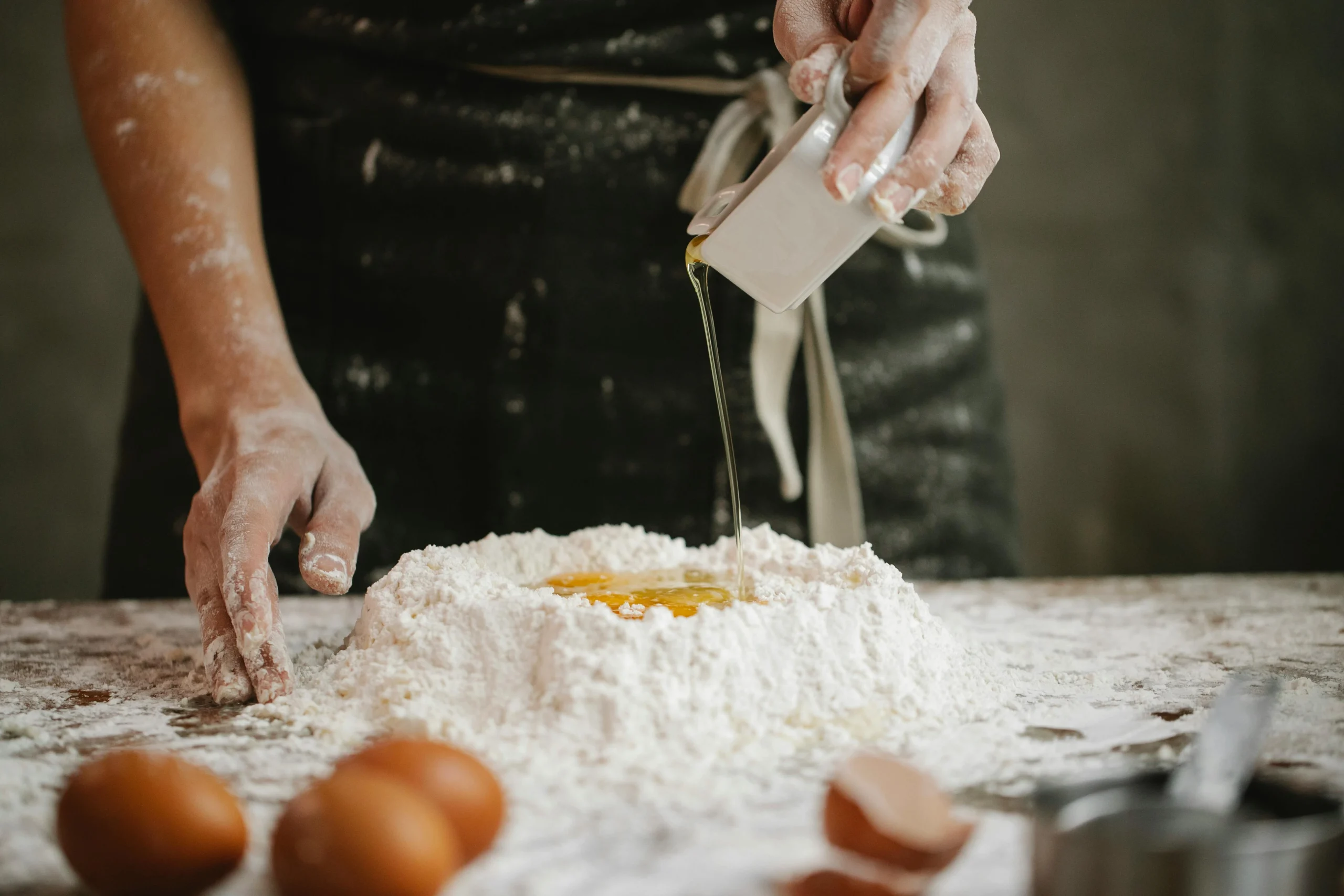
The figure of the pastry chef has become one of the most valued in the modern gastronomic world. In fine dining, pastry is no longer a complement but a technical and creative discipline that requires precision, artistic sensitivity, and solid professional training. Whether in tasting-menu restaurants, hotels, artisan bakeries, or specialized businesses, these professionals are key to preparing high-level desserts, creating new recipes, and crafting pastries that combine flavor, aesthetics, and technique.
If you have never heard of this role or you are not sure what it involves, at GASMA we explain what a pastry chef is, what their functions are, what studies they need, and why it is one of the most exciting professions in the culinary field.
The term *pastry chef* comes from English and literally translates to “pastry chef.” Beyond the literal translation, the expression reflects an advanced professional level in sweet cuisine: it refers to a specialist who not only creates products but also leads the pastry department, designs desserts, and oversees the quality of all preparations.
The word chef indicates authority and specialized knowledge within the kitchen. While in Spanish we speak of *pasteleros* or *reposteros*, the term *pastry chef* incorporates leadership, team management, and the application of advanced techniques such as chocolate tempering, professional baking, or the preparation of complex doughs.
Although these terms are often used as synonyms, there are nuances that are important to understand:
Therefore, the difference between *pastelero* and *repostero* may vary by country, but a pastry chef integrates both skill sets and elevates them to a level of excellence and management characteristic of high-end gastronomy.
The work of a pastry chef combines creativity, technique, and leadership. Below are the functions and main tasks that characterize this profession.
One of their core functions is to prepare desserts with precision and consistency according to the style of the restaurant, hotel, or bakery. This involves mastering processes such as professional baking, temperature control, ingredient management, and the use of advanced pastry techniques. Every preparation requires attention to detail and consistency to ensure high-quality results.
The pastry chef also acts as a true cake designer, responsible for the aesthetics and presentation of each creation. Their tasks include:
Here, their artistic sensitivity and attention to detail come into play, applying cake decoration, glazing, and modern techniques that transform each dessert into a visual and sensory experience.
A good pastry chef organizes the daily workflow, controls timings, manages inventories, and ensures that each preparation fits perfectly within the restaurant menu or service. They also oversee hygiene standards in the pastry kitchen and optimize ingredient management, avoiding waste and ensuring consistent quality.
The pastry chef leads the team in their area, training staff in professional techniques and ensuring quality and consistency in pastry production—an essential factor in fine dining. Their duties include task coordination, mentoring assistants, and continuously evaluating each product.
Becoming a pastry chef requires both academic training and professional experience. Below are the most important aspects.
To perform with excellence, it is essential to study in a culinary school offering advanced training and professional practice, such as GASMA, which provides one of the leading pastry programs in Spain, known for its practical approach, innovative methodology, and instructors with real industry experience, including master pastry chefs who teach high-level technical and creative skills.
A pastry chef combines artistic talent with technical knowledge. Before listing specific skills, it is important to highlight that their training should allow them to master complex processes, innovate in flavors and textures, and apply constant creative thinking in recipe development.
Their work demands precision, patience, and passion for creative pastry.
Key skills include:
There are different types of pastry chefs, each specializing according to the type of kitchen or professional setting:
In the hospitality sector, they focus on desserts for tasting menus, buffets, or events, combining speed, precision, and creativity. They must coordinate with the rest of the kitchen team and ensure quality during every service.
Their work centers on the preparation of traditional products using artisan techniques with a high level of detail, producing daily cakes, tarts, and sweets.
Some professionals choose to specialize in specific areas: chocolate work, bakery, creative pastry, or advanced modern pastry techniques.
Although these terms are used differently depending on the country, in general:
While the *repostero* and *pastelero* mainly focus on preparation, the pastry chef supervises, innovates, and coordinates the team. They make decisions about recipe creation, pastry design, and the application of new techniques. They also ensure consistent quality and that production adapts to the demands of the business, from a fine-dining restaurant to a luxury hotel.
The demand for specialized pastry chefs continues to grow in restaurants, hotels, artisan pastry shops, and creative pastry workshops. The profession combines technique, creativity, and leadership, offering a wide range of opportunities.
If you would like to receive solid, high-quality training, the Professional Pastry and Bakery Course from GASMA is an excellent entry point into the sector.
Pastry chefs can work in:
Today, there is also a growing market for pastry consulting, creative advisory services, and entrepreneurial ventures, significantly expanding career prospects.
For those aspiring to lead the pastry area and become high-level pastry chefs, it is important to combine technical training with practical experience. At GASMA we recommend:
Advanced training such as the Master’s Degree in Pastry and Bakery from GASMA allows students to deepen their technical, creative, and innovative skills, preparing future professionals to lead teams and excel in any gastronomic setting.
Formaciones TOP
Categorías
Artículos más leídos
