How to manage a restaurant?
Much more than simply cooking or serving delicious dishes, managing a restaurant is a challenge…


Much more than simply cooking or serving delicious dishes, managing a restaurant is a challenge that combines strategy, leadership, and attention to detail. From optimizing resources to building customer loyalty, every decision directly impacts the profitability and success of the establishment.
If you would like to gain professional knowledge in this area, the Master’s Degree in Gastronomy and Culinary Management from GASMA offers comprehensive training to learn everything necessary about restaurant management and modern hospitality.
Efficient management is key to ensuring that a restaurant operates profitably and sustainably. Proper hospitality management helps maintain cost control, optimize inventory, supervise staff, and guarantee an exceptional guest experience. It also helps prevent operational errors, improve service quality, and adapt to trends such as restaurant digitalization and food delivery.
Successfully managing a restaurant requires attention to several interconnected aspects, from financial control to daily operational supervision.
Restaurant profitability analysis is essential to identify which dishes generate profit and which do not. Maintaining control over food costs, setting appropriate menu prices, and managing dish costings allow you to optimize restaurant resources and ensure the business’s economic sustainability.
Staff management in hospitality is vital for smooth operation. This includes organizing shifts, supervising daily restaurant operations, and motivating the team. Strong leadership improves efficiency, reduces mistakes, and fosters a professional and collaborative work environment.
Customer service defines a restaurant’s reputation. Customer loyalty is achieved by offering attentive, consistent service tailored to their needs. In addition, incorporating feedback systems enables continuous improvement of the dining experience.
Creating a menu requires a balance between creativity and profitability. Analyzing demand, costs, and the preparation of each dish helps define menu pricing that is both competitive and attractive, while maintaining product quality and consistency.
Proper inventory and purchasing management ensures ingredient availability without generating waste. Planning orders and automating processes helps control costs, improve efficiency, and maintain freshness and quality standards.
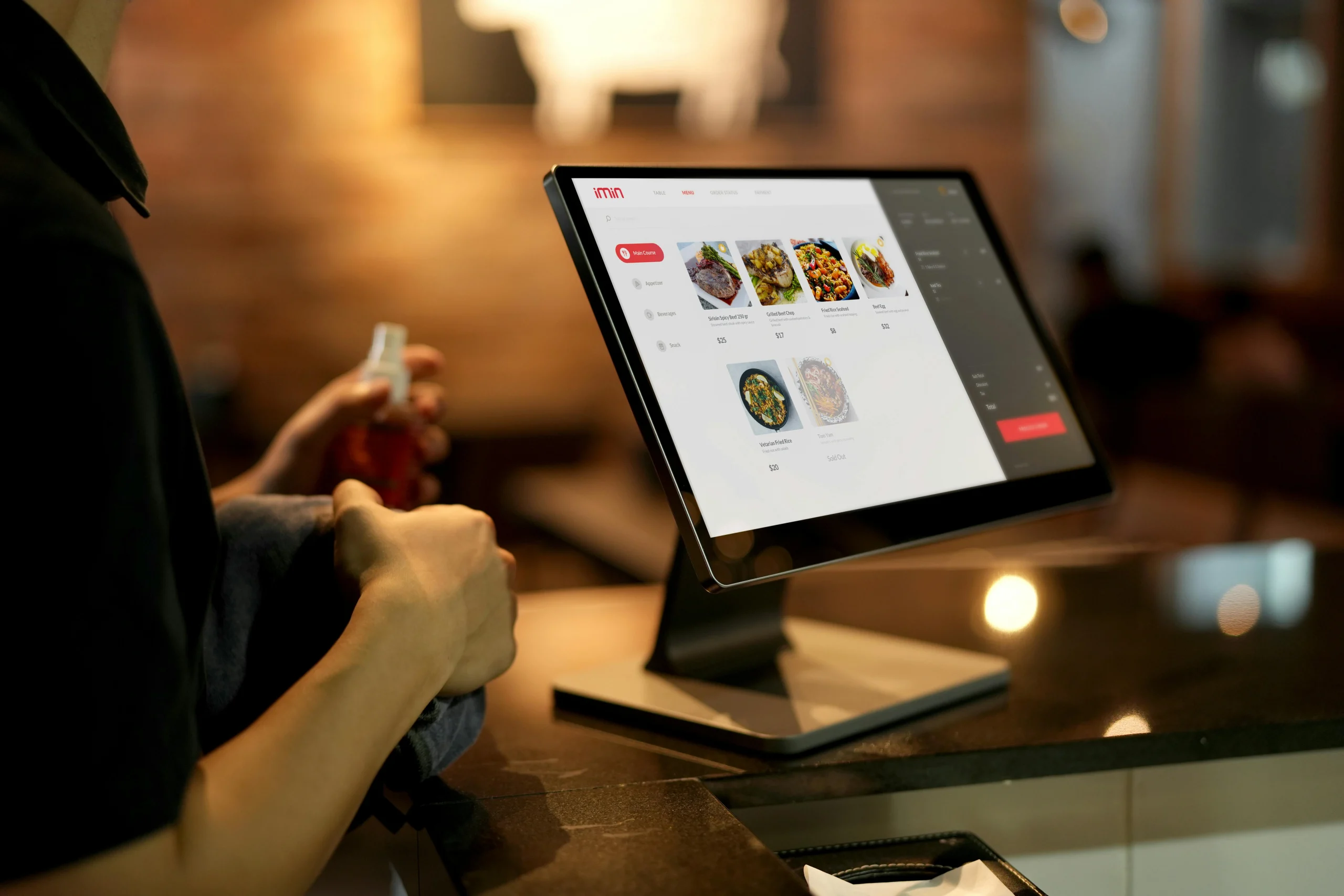
The digitalization of restaurants and the use of modern tools make supervision, planning, and task automation easier.
A POS system for restaurants centralizes the management of orders, sales, and payments, simplifying accounting and restaurant profitability analysis.
An online reservation service allows a restaurant to organize crucial aspects such as occupancy, improve customer experience, and optimize staff and kitchen logistics.
Tracking restaurant performance indicators (KPIs) supports operational decision-making, allowing you to identify areas for improvement and measure the effectiveness of marketing, sales, and customer service strategies.
Training the team to provide personalized and attentive service increases satisfaction and builds loyalty. Customer retention is essential for maintaining stable revenue and positive recommendations.
The design of the space, lighting, and table layout directly influence the customer’s perception. A well-designed atmosphere enhances the dining experience and adds value to the brand.
Digital marketing for restaurants helps attract new customers through social media, online advertising, and engaging content. Promoting delivery services also expands the restaurant’s reach and profitability.
Some of the most common mistakes include poor cost planning, limited training in hospitality management, lack of market analysis, and team miscoordination. These errors directly impact profitability and customer satisfaction.
Successful restaurants stand out for thorough supervision of daily operations, optimizing restaurant resources, automating hospitality processes, and making efficient use of management tools. Attention to detail, innovation, and commitment to quality are constants in these businesses.
For those who want to master how to manage a restaurant, there are specialized training programs such as the Professional Culinary Management Course from GASMA, which provides practical knowledge on leadership, profitability analysis, food cost control, menu design, and hospitality process automation. This course is ideal for aspiring managers of restaurants, bars, or culinary businesses seeking training from industry professionals.
Other options include international certifications and gastronomic management programs that complement practical experience with theory on restaurant resource optimization, digitalization, and growth strategies.
Training staff in service techniques, hygiene standards, cleaning protocols, and operational decision-making strengthens overall performance. Ongoing training ensures service consistency and enables efficient implementation of improvements.
Restaurant management combines strategic skills, technical knowledge, and a passion for gastronomy. From financial planning to the customer experience, every detail matters. With the right training, such as that offered at GASMA, it is possible to acquire all the tools needed to run a successful establishment, optimize resources, lead teams, and deliver memorable experiences that build customer loyalty. Managing a restaurant is ultimately a challenge that requires dedication, creativity, and constant adaptability.

Formaciones TOP
Categorías
Artículos más leídos
