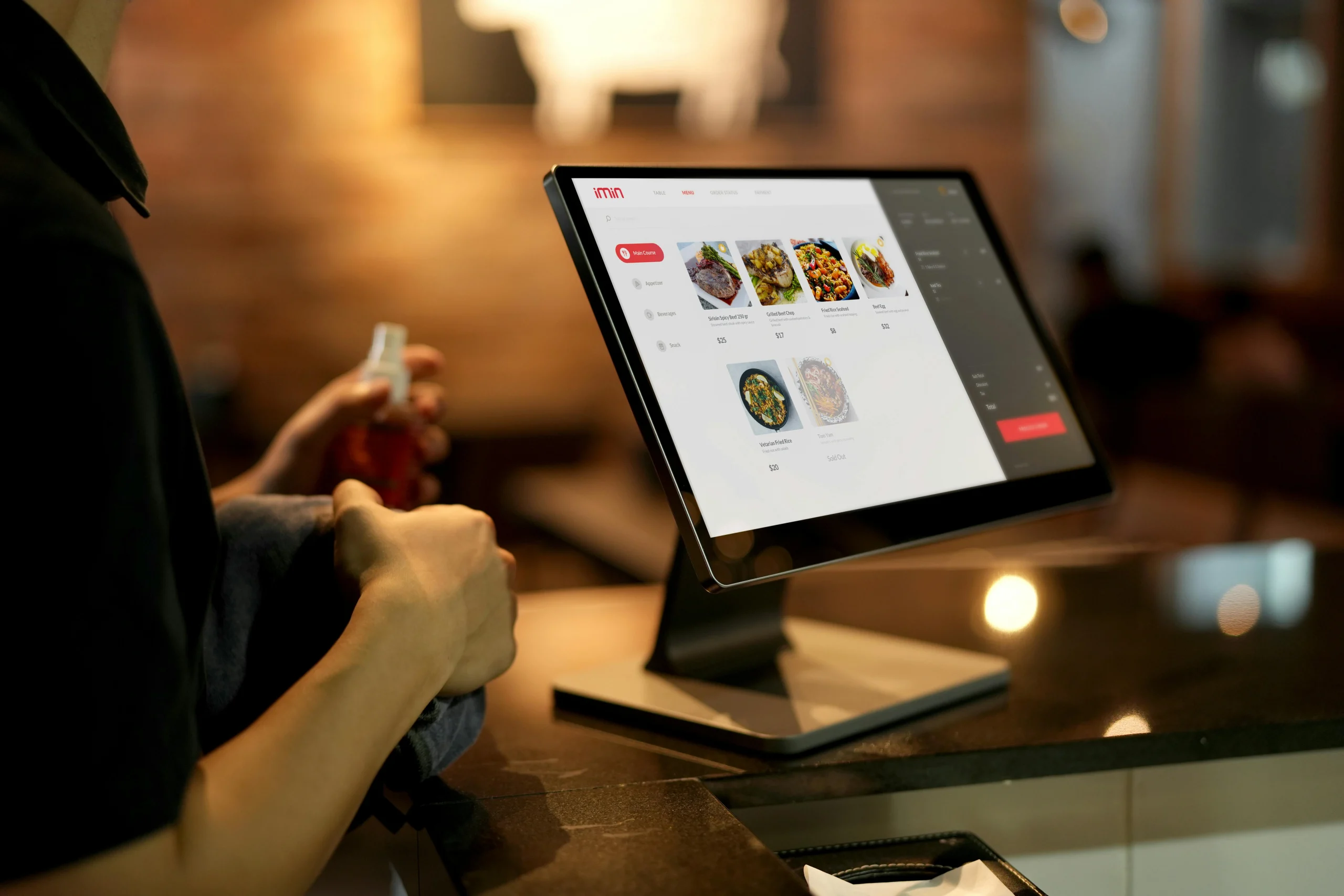
How to manage a restaurant?
Much more than simply cooking or serving delicious dishes, managing a restaurant is a challenge…


Whether you have already enrolled in the GASMA degree or are considering doing so, mastering basic cooking techniques is the first step for anyone who wants to begin culinary learning and build solid foundations, as understanding different cooking methods and techniques will help you progress confidently along this path.
Knowing culinary principles not only improves food preparation, but also brings order, creativity, and a professional basis for future dish development.
Aware of their importance, at GASMA we have prepared a guide with a list of essential culinary techniques for beginners, which we will explain clearly and practically so you can understand them in depth.
Basic culinary techniques are the procedures and methods that transform food from its initial state to a final preparation. They form the foundations of cooking and are essential both for basic training students and for those taking their first steps in the kitchen.
They include aspects such as temperature control, cooking times, knife skills, cooking methods, and proper kitchen organization. Mastering these processes ensures more consistent, safe, and flavorful results, as well as greater agility during the culinary process.
Understanding the basics of cooking makes the entire culinary process easier:
Below is a list of essential culinary techniques. Before reviewing them, it is important to note that all of them require continuous practice, observation, and good organizational habits. Whether in basic training or a professional environment, these skills form the foundations of cooking and prepare students for increasingly complex recipes.
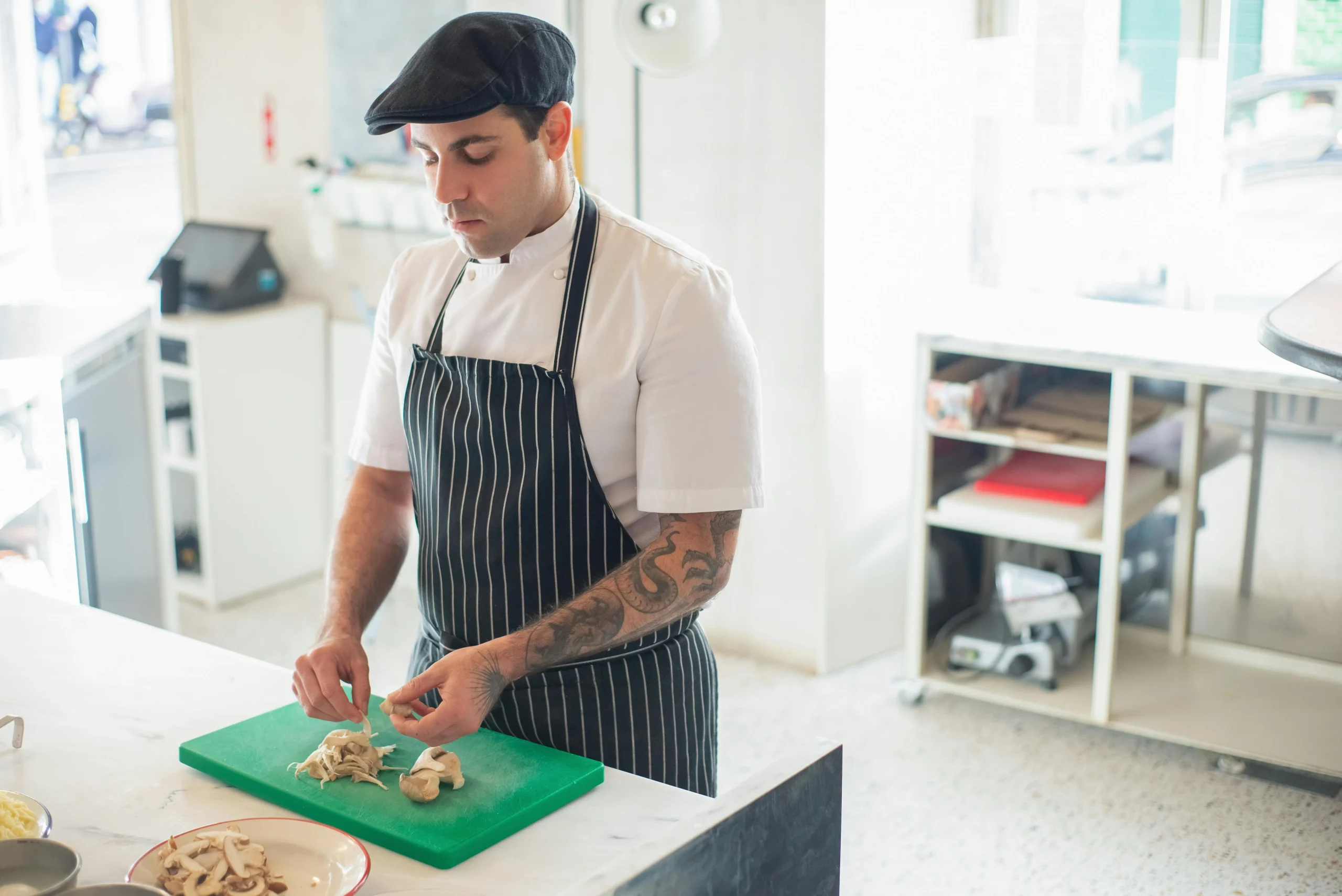
Cutting techniques are one of the first steps in any recipe and define the uniformity, texture, and cooking time of food. For beginners, learning these movements allows for faster, safer work, and improves the final presentation of the dish.
Understanding how these cuts work and when to use them is part of any well-structured cooking manual.
There are different types of cutting techniques, each with a specific purpose:
Other cuts such as mirepoix, paysanne, or slices complete this fundamental technique.
Mastering knife skills is crucial. It involves learning how to hold the knife correctly, protecting the guiding hand’s fingers, keeping the blade sharp, and choosing the right knife for each task. Good technique improves safety, speed, and the quality of the cut.
Basic cooking techniques are essential for understanding how heat transforms food. Each method enhances different flavors, textures, and aromas.
For beginners, learning to control heat, pay attention to cooking time, and recognize the changes in each ingredient is fundamental.
Cooking in water or broth at high temperatures. Used for pasta, rice, vegetables, or eggs.
Cooking ingredients quickly over high heat with little fat, maintaining their texture and natural flavor.
Cooking through dry heat, often in the oven. Ideal for meats, poultry, and vegetables.
Similar to roasting but oriented toward doughs, pastries, and preparations requiring uniform cooking.
A healthy method that preserves nutrients, colors, and textures. Commonly used for vegetables and fish.
Gentle cooking in hot liquid without boiling. Used for eggs, fruit, or delicate fish.
These techniques are the basic steps of cooking and part of the pre-cooking process. Good preparation improves kitchen organization and reduces common mistakes, especially for those taking their first steps in culinary learning.
Preparation of ingredients and utensils. Involves cutting, weighing, and arranging everything before starting the recipe.
An essential aromatic base in many cuisines. Its slow cooking adds flavor, color, and depth to dishes.
The process of combining two liquids that normally do not mix, such as oil and water. Essential for vinaigrettes, sauces, and creams.
To put these culinary techniques into practice, it is essential to have the right utensils. Tools not only make the work easier but also allow for cleaner, safer, and more professional results.
Among the most important are chef’s knives, cutting boards, quality pans, pots, scales, tongs, measuring spoons, and heat-resistant utensils.
It is common to make mistakes when learning. Many of them can be avoided with organization, practice, and attention to basic culinary principles. Frequent mistakes include cutting without technique, adding salt too late, not controlling heat intensity, improvising without reading the full recipe, or not respecting cooking times.
Improving in cooking requires consistency. Daily practice, observing expert chefs, investing in quality utensils, and respecting food hygiene are essential pillars. It is also advisable to delve deeper into cooking methods, experiment with simple recipes, and, when possible, train in a professional environment.
Basic cooking techniques represent the starting point for any aspiring cook. With practice and proper training, such as the programs offered by GASMA through its degree, master’s programs, and professional courses, any beginner can transform basic cooking knowledge into a true culinary career.
Formaciones TOP
Categorías
Artículos más leídos
